

As a professional supplier of Hyundai oxygen sensors, I've encountered numerous inquiries regarding the potential impacts of a damaged exhaust manifold on these crucial components. In this blog post, we'll delve deep into this topic, understanding how a compromised exhaust manifold can affect a Hyundai oxygen sensor and what implications it holds for vehicle performance.
How a Hyundai Oxygen Sensor Works
First, let's briefly recap how a Hyundai oxygen sensor functions. The oxygen sensor plays a pivotal role in the vehicle's emission control and fuel management systems. It is typically located in the exhaust stream, constantly monitoring the amount of oxygen present in the exhaust gases. Based on the oxygen content, it generates a voltage signal that is sent to the engine control unit (ECU). The ECU then adjusts the air - fuel ratio to ensure efficient combustion and minimize harmful emissions.
In a well - functioning vehicle, the oxygen sensor provides accurate readings, allowing the ECU to maintain an optimal air - fuel mixture, which in turn leads to better fuel efficiency, lower emissions, and smooth engine operation.
Understanding the Exhaust Manifold
The exhaust manifold is a key part of the vehicle's exhaust system. Its primary function is to collect exhaust gases from the engine's cylinders and direct them into the exhaust pipe. Made of metal, it is subjected to high temperatures and pressure - fluctuations during normal engine operation.
Over time, the exhaust manifold can develop cracks or leaks due to factors such as thermal stress, corrosion, or physical damage. These issues can significantly alter the normal flow and composition of the exhaust gases, which may have a direct impact on the oxygen sensor.
Impact of a Damaged Exhaust Manifold on the Oxygen Sensor
1. Air Infiltration
A cracked or leaking exhaust manifold can allow outside air to enter the exhaust system. When this happens, the oxygen sensor will detect an artificially high level of oxygen in the exhaust gases. The sensor sends a signal to the ECU indicating a lean air - fuel mixture (more air than fuel). In response, the ECU will increase the fuel injection to try to balance the mixture. This can lead to increased fuel consumption and potentially higher emissions as the engine is no longer operating at the optimal air - fuel ratio.
2. Impaired Sensor Reading
The abnormal flow of exhaust gases caused by a damaged exhaust manifold can also disrupt the normal operation of the oxygen sensor. The sensor is designed to measure the oxygen content in a relatively stable and consistent exhaust flow. However, when there are leaks or cracks in the manifold, the exhaust flow becomes turbulent. This can cause the sensor to receive inconsistent or inaccurate oxygen readings, leading to incorrect fuel - injection adjustments by the ECU.
3. Sensor Contamination
A damaged exhaust manifold may also expose the oxygen sensor to unburned fuel, oil, or other contaminants. If these substances reach the oxygen sensor, they can coat the sensor element, reducing its sensitivity. A contaminated sensor may not be able to accurately detect the oxygen levels in the exhaust gases, resulting in poor engine performance and increased emissions.
Symptoms Indicating a Problem
If a Hyundai oxygen sensor is affected by a damaged exhaust manifold, several symptoms may become apparent. These include:
- Check Engine Light: The ECU may detect abnormal readings from the oxygen sensor and trigger the check engine light on the dashboard.
- Poor Fuel Economy: As mentioned earlier, incorrect fuel - injection adjustments due to inaccurate oxygen sensor readings can lead to increased fuel consumption.
- Rough Idling or Engine Misfires: An imbalanced air - fuel mixture can cause the engine to run roughly at idle or experience misfires during acceleration.
- Increased Emissions: Since the engine is not operating at the optimal air - fuel ratio, harmful emissions such as carbon monoxide, hydrocarbons, and nitrogen oxides may increase.
Our Solutions as a Supplier
As a reliable Hyundai oxygen sensor supplier, we understand the importance of providing high - quality products. We offer a wide range of oxygen sensors designed specifically for Hyundai vehicles. For example, our Oxygen Sensor for Hyundai Yazun (imported) /39210 - 3C400 is engineered to meet the strictest quality standards, ensuring accurate oxygen detection and long - term reliability.
We also have Oxygen Sensor for Kia K5 /39210 - 2E150, which is a great choice for owners of related models. And our Oxygen Sensor for Hyundai Velax (imported) /39210 - 3C600 is tailored to the specific requirements of Hyundai Velax vehicles, providing optimal performance.
Conclusion
In conclusion, a damaged exhaust manifold can definitely have a significant impact on a Hyundai oxygen sensor. It can lead to inaccurate sensor readings, poor engine performance, increased fuel consumption, and higher emissions. If you suspect that your vehicle's oxygen sensor is being affected by a damaged exhaust manifold, it's important to have the issue inspected and repaired as soon as possible.

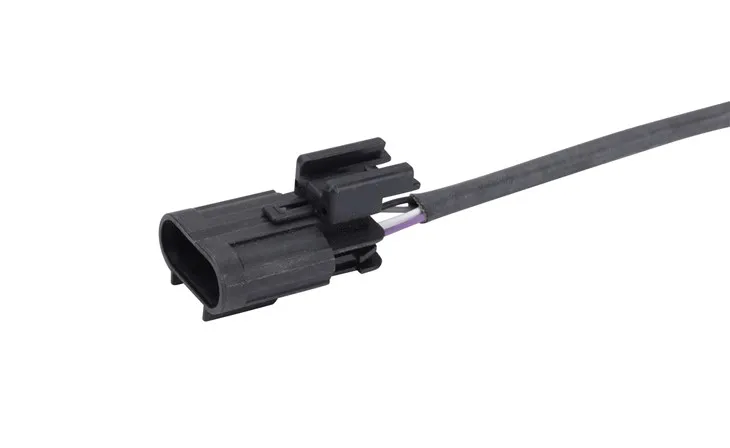
As your trusted Hyundai oxygen sensor supplier, we are committed to providing you with top - notch products and comprehensive technical support. Whether you're an automotive repair shop or an individual vehicle owner, we're here to assist you in ensuring the optimal performance of your Hyundai vehicle. If you're interested in our products or have any questions, please feel free to contact us for procurement and negotiation.
References
- "Automotive Engine Performance" by James D. Halderman
- "Modern Automotive Technology" by Andrew J. Hagen