

A malfunctioning Oxygen Sensor 39210 - 2G700 can indeed cause a decrease in horsepower, and understanding the reasons behind this requires a deep - dive into how this critical component functions within a vehicle's engine system.
The Role of the Oxygen Sensor 39210 - 2G700
The Oxygen Sensor 39210 - 2G700 is a crucial part of a vehicle's emission control and engine management system. Its primary function is to measure the amount of oxygen in the exhaust gases leaving the engine. By doing so, it provides real - time feedback to the engine control unit (ECU). The ECU then uses this information to adjust the air - fuel mixture entering the engine. A proper air - fuel mixture is essential for efficient combustion. When the combustion process is optimized, the engine can produce the maximum amount of power with the least amount of waste and pollution.
How a Malfunction Affects Horsepower
Incorrect Air - Fuel Mixture
When the Oxygen Sensor 39210 - 2G700 malfunctions, it can send inaccurate signals to the ECU. If the sensor indicates that there is more oxygen in the exhaust than there actually is, the ECU will increase the amount of fuel injected into the engine. This results in a rich air - fuel mixture. A rich mixture means that there is more fuel than can be effectively burned by the available oxygen. As a consequence, the combustion process becomes inefficient. The unburned fuel not only leads to increased emissions but also fails to contribute fully to generating power. This directly translates into a decrease in horsepower as the engine is not operating at its optimal efficiency.
On the other hand, if the sensor wrongly indicates a lower oxygen level in the exhaust, the ECU will reduce the fuel supply, creating a lean air - fuel mixture. A lean mixture may cause the engine to misfire or run roughly. In a lean condition, the combustion occurs more rapidly and can lead to higher temperatures, which may damage engine components over time. Moreover, the power output of the engine drops because there is not enough fuel to generate the necessary force to turn the engine's pistons effectively.
Catalytic Converter Damage
A malfunctioning oxygen sensor can also lead to premature damage of the catalytic converter. The catalytic converter is responsible for reducing harmful emissions by converting pollutants such as carbon monoxide, hydrocarbons, and nitrogen oxides into less harmful substances. When the air - fuel mixture is incorrect due to a faulty oxygen sensor, the catalytic converter has to work harder. Over time, the excessive heat and unburned fuel can cause the catalytic converter to become clogged or damaged. A clogged catalytic converter restricts the flow of exhaust gases out of the engine. This back - pressure makes it harder for the engine to expel exhaust, which in turn reduces the engine's ability to intake fresh air - fuel mixture. As a result, the engine's power output is significantly diminished.
Real - World Implications
In real - world driving scenarios, a decrease in horsepower caused by a malfunctioning Oxygen Sensor 39210 - 2G700 can be quite noticeable. The vehicle may have a slower acceleration, struggle to climb hills, or require more throttle input to maintain speed. This not only affects the driving experience but can also pose safety risks, especially when merging onto highways or overtaking other vehicles.
Our Products as a Supplier
As a leading supplier of the Oxygen Sensor 39210 - 2G700, we understand the importance of providing high - quality sensors that ensure the proper functioning of a vehicle's engine. Our sensors are designed to meet or exceed OEM specifications. We use advanced manufacturing techniques and high - quality materials to ensure accuracy and durability.
We offer a wide range of oxygen sensors for different vehicle models. For example, if you own a Hyundai IX45, our Oxygen Sensor for Hyundai IX45 /39210 - 2G700 is the perfect replacement part. It is engineered to provide precise oxygen level measurements, ensuring that your engine runs at its best.

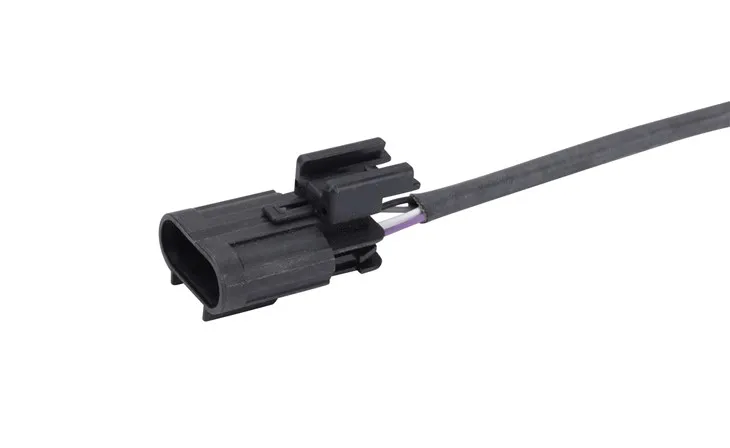
We also have sensors for other popular Korean car models. The Oxygen Sensor for Hyundai Velax (imported) /39210 - 3C600 and the Oxygen Sensor for Kia Sumai (imported)/ 39210 - 2B040 are designed to fit these specific vehicles perfectly and deliver reliable performance.
Contact for Purchase and Consultation
If you suspect that your vehicle's oxygen sensor is malfunctioning and causing a decrease in horsepower, or if you are looking to purchase a high - quality replacement sensor, we are here to help. Our team of experts can provide you with detailed information about our products, assist with installation guidance, and answer any technical questions you may have.
We encourage you to reach out to us for a consultation. Whether you are a car owner, a mechanic, or a business in the automotive industry, we can offer solutions tailored to your needs. Don't let a faulty oxygen sensor compromise your vehicle's performance. Contact us today to get back on the road with a powerful and efficient engine.
References
- Bosch, "Automotive Handbook", 7th Edition
- Haynes, "Automotive Repair Manuals"
- SAE International Journal of Engines, various issues related to engine management and oxygen sensors.