

Hey there! As a supplier of the Oxygen Sensor 39210 - 2G700, I often get asked if folks can replace this sensor all by themselves. So, I thought I'd write this blog to share some insights on that.
First off, let's talk a bit about what the Oxygen Sensor 39210 - 2G700 does. This little gadget plays a super important role in your car's engine management system. It measures the amount of oxygen in the exhaust gases. Based on this measurement, the engine control unit (ECU) can adjust the air - fuel mixture to make sure your engine runs efficiently and cleanly. A faulty oxygen sensor can lead to all sorts of problems, like poor fuel economy, increased emissions, and even engine misfires.
Now, to the big question: Can you replace the Oxygen Sensor 39210 - 2G700 yourself? Well, it depends on a few things.
Your DIY skills
If you're someone who's handy with tools and has some basic knowledge of car mechanics, you might be able to take on this task. Replacing an oxygen sensor isn't one of the most complicated car repairs, but it does require a bit of know - how. You'll need to be comfortable working under your car, as the oxygen sensor is usually located in the exhaust system.
Tools you'll need
To replace the Oxygen Sensor 39210 - 2G700, you'll need a few essential tools. A socket wrench set is a must - have. You'll need the right size socket to remove the old sensor and install the new one. A penetrating oil can also be very useful. Sometimes, the sensor can get stuck due to rust and corrosion, and the penetrating oil can help loosen it up. You might also want to have a wire brush on hand to clean the area around the sensor before installing the new one.
Safety precautions
Safety should always be your top priority when working on your car. Make sure your car is parked on a flat, stable surface and the engine is completely cooled down. The exhaust system can get extremely hot, and you don't want to burn yourself. Wear protective gloves and safety glasses to avoid any injuries.
Step - by - step replacement process
- Locate the sensor: The Oxygen Sensor 39210 - 2G700 is typically located in the exhaust pipe, either before or after the catalytic converter. You may need to refer to your car's service manual to find its exact location.
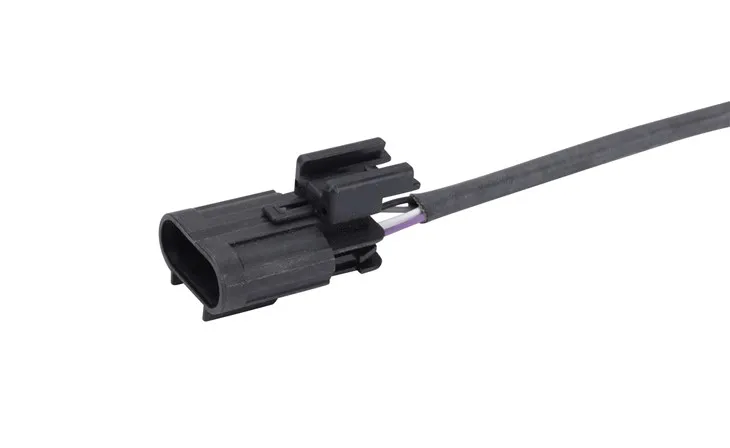
- Disconnect the electrical connector: The sensor is connected to the car's electrical system via a connector. Gently unplug this connector. Be careful not to damage the wires.
- Remove the old sensor: Use your socket wrench to loosen and remove the old sensor. If it's stuck, spray some penetrating oil and let it sit for a few minutes before trying again.
- Prepare the new sensor: Check the new Oxygen Sensor 39210 - 2G700 for any damage. You can also apply a small amount of anti - seize compound to the threads of the new sensor to make future removal easier.
- Install the new sensor: Screw the new sensor into place using the socket wrench. Make sure it's tightened properly, but don't over - tighten it as you could damage the sensor or the exhaust pipe.
- Reconnect the electrical connector: Plug the electrical connector back into the new sensor.
Potential challenges
Even if you have the skills and tools, there can still be some challenges. As I mentioned earlier, a stuck sensor can be a real pain. Sometimes, the threads on the exhaust pipe can be damaged, which makes it difficult to install the new sensor properly. And if you're not careful, you could damage the electrical connector or the wires, which would require additional repairs.
Other oxygen sensors we offer
If you're looking for other oxygen sensors for different car models, we've got you covered. We have the Oxygen Sensor for Kia K5 /39210 - 2E150, which is specifically designed for the Kia K5. This sensor ensures optimal performance and fuel efficiency for your Kia.
We also have the Oxygen Sensor for Hyundai Yazun (imported) /39210 - 3C400 for imported Hyundai Yazun models. And for those with an imported Hyundai Velax, our Oxygen Sensor for Hyundai Velax (imported) /39210 - 3C600 is a great choice.
Should you DIY or go to a mechanic?
If you're not confident in your abilities or if you encounter any major problems during the replacement process, it's probably best to take your car to a professional mechanic. A mechanic has the experience and specialized tools to handle any issues that may arise. They can also diagnose if there are any other underlying problems with your car's exhaust or engine system.

However, if you're up for the challenge and want to save some money, replacing the Oxygen Sensor 39210 - 2G700 yourself can be a rewarding experience. You'll learn more about your car and gain a sense of accomplishment when you get it up and running smoothly again.
Contact us for procurement
If you're interested in purchasing the Oxygen Sensor 39210 - 2G700 or any of our other oxygen sensors, we'd love to hear from you. Whether you're a DIY enthusiast or a professional mechanic, we can provide you with high - quality sensors at competitive prices. Reach out to us to start a procurement discussion, and we'll work with you to meet your needs.
References
- "Automotive Engine Repair Manuals" - General automotive repair knowledge source.
- "Car Sensors: How They Work and Why They Matter" - An in - depth look at car sensors, including oxygen sensors.