

Replacing the oxygen sensor on a Toyota Tacoma is a task that can be accomplished with the right tools, knowledge, and a bit of patience. As a trusted Toyota Oxygen Sensor supplier, I'm here to guide you through the process step by step. Oxygen sensors play a crucial role in your vehicle's performance and emissions control, so it's essential to replace them when they start to malfunction.
Understanding the Oxygen Sensor
Before we dive into the replacement process, let's understand what an oxygen sensor does. The oxygen sensor, also known as the O2 sensor, is a critical component of your vehicle's exhaust system. It measures the amount of oxygen in the exhaust gases and sends this information to the engine control unit (ECU). The ECU then uses this data to adjust the air-fuel mixture, ensuring optimal engine performance and reducing harmful emissions.
Over time, oxygen sensors can become contaminated or worn out, leading to inaccurate readings. This can result in poor fuel economy, rough idling, and increased emissions. If you notice any of these symptoms, it's likely time to replace your oxygen sensor.
Tools and Materials You'll Need
- Socket set
- Oxygen sensor socket
- Penetrating oil
- New oxygen sensor (make sure it's compatible with your Toyota Tacoma)
- Anti-seize compound
Step 1: Locate the Oxygen Sensor
The first step in replacing the oxygen sensor is to locate it. In a Toyota Tacoma, there are typically two oxygen sensors: one before the catalytic converter (upstream sensor) and one after the catalytic converter (downstream sensor). The upstream sensor is responsible for measuring the oxygen content in the exhaust gases before they enter the catalytic converter, while the downstream sensor monitors the efficiency of the catalytic converter.
To locate the oxygen sensors, you'll need to crawl under the vehicle. The upstream sensor is usually located on the exhaust manifold or the exhaust pipe near the engine, while the downstream sensor is located on the exhaust pipe after the catalytic converter.
Step 2: Disconnect the Battery
Before you start working on the oxygen sensor, it's important to disconnect the vehicle's battery. This will prevent any electrical shocks and ensure your safety. Locate the negative terminal of the battery and use a wrench to loosen the nut. Once the nut is loose, remove the negative cable from the battery terminal.
Step 3: Spray Penetrating Oil
Oxygen sensors can be difficult to remove, especially if they've been in place for a long time. To make the removal process easier, spray some penetrating oil on the sensor threads. Let the oil sit for a few minutes to penetrate the rust and corrosion.
Step 4: Remove the Old Oxygen Sensor
Using an oxygen sensor socket, carefully loosen the old oxygen sensor. Turn the socket counterclockwise until the sensor is loose enough to remove by hand. Be careful not to damage the sensor or the surrounding components.

Step 5: Install the New Oxygen Sensor
Before installing the new oxygen sensor, apply a small amount of anti-seize compound to the sensor threads. This will prevent the sensor from seizing up in the future. Carefully thread the new sensor into the exhaust pipe and tighten it using the oxygen sensor socket. Make sure not to over-tighten the sensor, as this can damage the threads.
Step 6: Reconnect the Electrical Connector
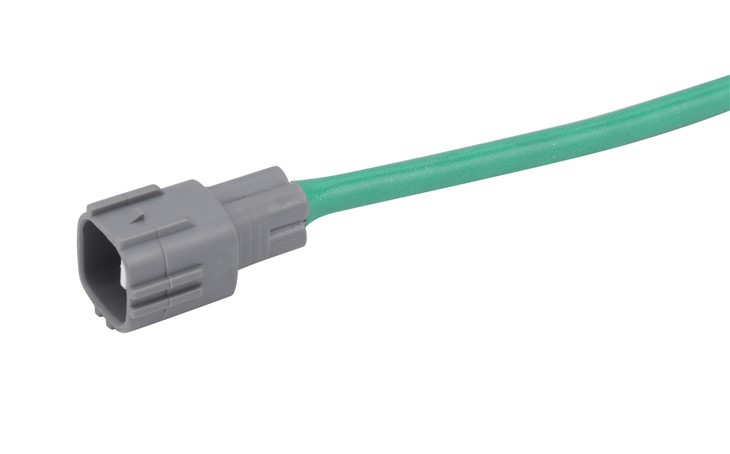
Once the new oxygen sensor is installed, reconnect the electrical connector. Make sure the connector is securely attached and there are no loose wires.
Step 7: Reconnect the Battery
After the oxygen sensor is installed and the electrical connector is reconnected, it's time to reconnect the battery. Attach the negative cable to the battery terminal and tighten the nut using a wrench.
Step 8: Test the Vehicle
Start the vehicle and let it run for a few minutes. Check for any warning lights on the dashboard and listen for any unusual noises. If everything seems normal, take the vehicle for a short test drive to ensure the oxygen sensor is working properly.
Choosing the Right Oxygen Sensor
As a Toyota Oxygen Sensor supplier, we offer a wide range of high-quality oxygen sensors for various Toyota models, including the Tacoma. When choosing an oxygen sensor for your vehicle, it's important to make sure it's compatible with your specific make and model. Here are some of the oxygen sensors we offer:
- Oxygen Sensor for Lexus ES200 (imported)/ 89465-33560
- Oxygen Sensor for Mitsubishi Parrog / MD369190/ 234000-8036
- Oxygen Sensor for Toyota Camry/ 89465-06310
Contact Us for Purchase and Consultation
If you're in need of a high-quality oxygen sensor for your Toyota Tacoma or any other vehicle, don't hesitate to contact us. Our team of experts is ready to assist you in finding the right sensor for your needs. We offer competitive prices, fast shipping, and excellent customer service. Whether you're a professional mechanic or a DIY enthusiast, we're here to help you keep your vehicle running smoothly.
References
- Toyota Tacoma Owner's Manual
- Automotive Repair Manuals
- Online automotive forums and communities