

As a supplier of Toyota oxygen sensors, I understand the importance of ensuring these critical components function properly. Oxygen sensors play a vital role in a vehicle's emission control system and engine performance. In this blog, I'll share with you how to test a Toyota oxygen sensor, providing you with practical steps and valuable insights.
Understanding the Function of a Toyota Oxygen Sensor
Before we dive into the testing process, it's essential to understand what a Toyota oxygen sensor does. The oxygen sensor, also known as the O2 sensor, is located in the exhaust system. Its primary function is to measure the amount of oxygen in the exhaust gases. By doing so, it helps the engine control unit (ECU) adjust the air - fuel mixture for optimal combustion. A well - functioning oxygen sensor can improve fuel efficiency, reduce emissions, and enhance engine performance.
Tools Required for Testing
To test a Toyota oxygen sensor, you'll need the following tools:
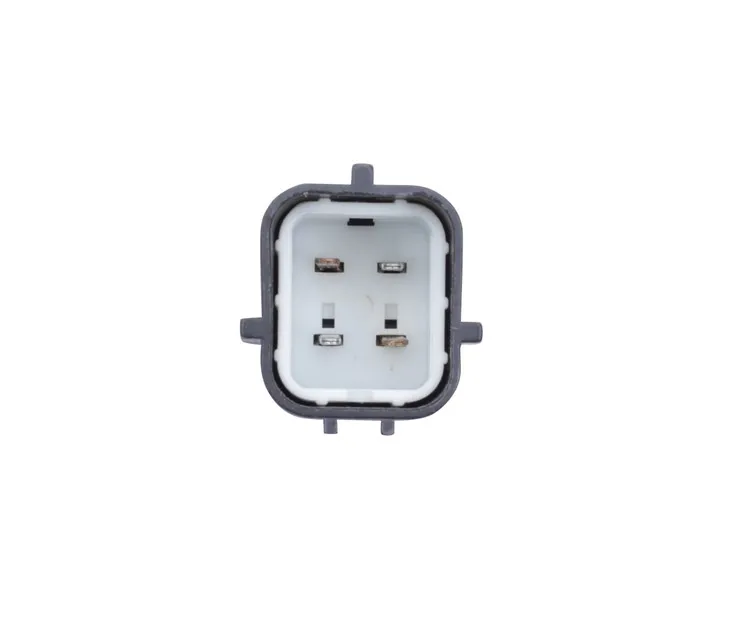

- Digital Multimeter: This is used to measure voltage, resistance, and other electrical parameters.
- Oxygen Sensor Socket: A special socket designed to remove and install oxygen sensors without damaging them.
- Wiring Diagram: You can obtain a wiring diagram for your specific Toyota model to understand the sensor's electrical connections.
- Safety Gear: Gloves and safety glasses to protect yourself during the testing process.
Pre - testing Preparations
- Locate the Oxygen Sensor: In most Toyota vehicles, there are at least two oxygen sensors: one before the catalytic converter (upstream sensor) and one after it (downstream sensor). Refer to your vehicle's service manual to find the exact location of the sensor you want to test.
- Inspect the Sensor and Wiring: Check for any visible damage to the sensor itself, such as cracks or corrosion. Also, examine the wiring for frayed wires, loose connections, or signs of burning. If you notice any damage, it might be necessary to replace the sensor or repair the wiring before proceeding with the test.
Testing the Oxygen Sensor
1. Resistance Test
- Disconnect the Sensor: Use the oxygen sensor socket to carefully remove the sensor from the exhaust system. Then, disconnect the electrical connector from the sensor.
- Set the Multimeter: Set your digital multimeter to the resistance (ohms) setting.
- Measure the Resistance: Place the multimeter probes on the sensor's terminals. The resistance value should fall within the range specified in your vehicle's service manual. If the resistance is significantly higher or lower than the recommended range, it could indicate a faulty sensor.
2. Voltage Test
- Re - install the Sensor: If the resistance test is within the normal range, re - install the sensor in the exhaust system and reconnect the electrical connector.
- Warm up the Engine: Start the engine and let it run until it reaches normal operating temperature. This usually takes a few minutes.
- Set the Multimeter: Set the multimeter to the DC voltage setting.
- Measure the Voltage: Connect the multimeter probes to the appropriate terminals of the sensor's electrical connector. As the engine runs, the oxygen sensor should produce a voltage that fluctuates between 0.1 and 0.9 volts. A steady voltage or a voltage that doesn't fluctuate properly could mean the sensor is malfunctioning.
3. Response Time Test
- Accelerate and Decelerate the Engine: While monitoring the multimeter, gradually accelerate and decelerate the engine. The oxygen sensor should respond quickly to these changes in engine load, and the voltage should change accordingly. A slow - responding sensor may need to be replaced.
Interpreting the Test Results
- Passing Results: If the resistance, voltage, and response time tests all fall within the normal ranges specified in your vehicle's service manual, the oxygen sensor is likely functioning correctly.
- Failing Results: If any of the tests show abnormal results, it's a strong indication that the oxygen sensor is faulty and needs to be replaced.
Importance of Regular Testing
Regularly testing your Toyota oxygen sensor can prevent a variety of problems. A faulty oxygen sensor can cause poor fuel economy, increased emissions, and engine performance issues. By detecting and replacing a bad sensor early, you can save money on fuel and avoid more costly repairs down the road.
Our Product Offerings
As a supplier of Toyota oxygen sensors, we offer a wide range of high - quality sensors for different Toyota models. For example, we have the Oxygen Sensor for Toyota Highlander (imported)/ 89467 - 48120, which is designed to meet the strict requirements of your vehicle's emission control system.
In addition to Toyota sensors, we also provide oxygen sensors for other Japanese car brands. Check out our Oxygen Sensor for Nissan/ 22693 - EY00B and Oxygen Sensor for Mitsubishi Parrog / MD369190/ 234000 - 8036 for reliable and cost - effective solutions.
Contact Us for Purchasing
If you're interested in purchasing our oxygen sensors or have any questions about testing or installation, please feel free to contact us. We're committed to providing you with the best products and services to ensure your vehicle runs smoothly.
References
- "Toyota Service Manuals": These official manuals provide detailed information about the oxygen sensors and testing procedures for different Toyota models.
- "Automotive Diagnostic Textbooks": General automotive diagnostic textbooks offer in - depth knowledge about oxygen sensors and their functions.