

How does a Peugeot oxygen sensor affect acceleration?
As a Peugeot oxygen sensor supplier, I've had the privilege of delving deep into the intricate relationship between these sensors and a vehicle's performance, especially acceleration. In this blog, I'll share my insights on how a Peugeot oxygen sensor can significantly impact acceleration and why it's crucial to have a well - functioning one.

Understanding the Role of the Oxygen Sensor in a Peugeot
Before we discuss how the oxygen sensor affects acceleration, let's first understand what it does. The oxygen sensor, also known as the O2 sensor, is a critical component of the Peugeot's engine management system. It is located in the exhaust system and its primary function is to measure the amount of oxygen in the exhaust gases.

The data collected by the oxygen sensor is then sent to the engine control unit (ECU). The ECU uses this information to adjust the air - fuel mixture in the engine. A proper air - fuel mixture is essential for efficient combustion. If the mixture is too rich (more fuel than air), the engine may run poorly, waste fuel, and produce excessive emissions. On the other hand, if the mixture is too lean (more air than fuel), the engine may misfire, lose power, and overheat.
The Impact on Acceleration
Now, let's explore how the oxygen sensor affects acceleration. Acceleration is essentially the rate at which a vehicle increases its speed. It depends on several factors, including the engine's power output, the transmission, and the overall efficiency of the combustion process.
- Optimal Air - Fuel Mixture for Acceleration
- When the oxygen sensor is working correctly, it provides accurate data to the ECU. This allows the ECU to maintain an optimal air - fuel mixture during acceleration. For example, when you press the accelerator pedal, the engine needs more fuel to generate more power. The oxygen sensor helps the ECU adjust the fuel injection accordingly, ensuring that the engine gets the right amount of fuel for the increased demand.
- A well - calibrated air - fuel mixture means more efficient combustion. During acceleration, efficient combustion leads to a more powerful explosion in the cylinders, which in turn provides more torque to the wheels. This results in smoother and quicker acceleration.
- Poor Acceleration due to a Faulty Oxygen Sensor
- If the oxygen sensor is faulty, it can send incorrect data to the ECU. This can cause the ECU to adjust the air - fuel mixture incorrectly. For instance, if the sensor indicates that there is more oxygen in the exhaust than there actually is, the ECU may increase the fuel supply, resulting in a rich mixture. A rich mixture can lead to incomplete combustion, which means that not all of the fuel is being burned to produce power. As a result, the engine may lose power and acceleration performance will suffer.
- Conversely, if the sensor indicates less oxygen than there is, the ECU may reduce the fuel supply, creating a lean mixture. A lean mixture can cause the engine to misfire, which not only reduces power but can also damage the engine over time. Misfiring during acceleration will make the vehicle jerk and feel sluggish, and it will take longer to reach the desired speed.
Signs of a Failing Oxygen Sensor Affecting Acceleration
There are several signs that a failing oxygen sensor may be affecting your Peugeot's acceleration:
- Sluggish Acceleration: As mentioned earlier, if the air - fuel mixture is incorrect due to a faulty sensor, the engine will not be able to generate enough power quickly. You may notice that it takes longer for your Peugeot to pick up speed when you press the accelerator.
- Rough Idling and Acceleration: A faulty oxygen sensor can cause the engine to run rough, both at idle and during acceleration. You may feel vibrations in the steering wheel or the vehicle's body, and the acceleration may be jerky rather than smooth.
- Decreased Fuel Efficiency: Since the incorrect air - fuel mixture leads to inefficient combustion, your Peugeot will consume more fuel than normal. If you notice a sudden drop in fuel mileage along with poor acceleration, it could be a sign of a failing oxygen sensor.
- Check Engine Light: In many cases, a faulty oxygen sensor will trigger the check engine light on your dashboard. The ECU detects that the sensor is sending abnormal data and sets a diagnostic trouble code. However, it's important to note that the check engine light can indicate many other problems as well, so further diagnosis is required.
The Importance of Replacing a Faulty Oxygen Sensor
If you suspect that your Peugeot's oxygen sensor is faulty and affecting acceleration, it's crucial to replace it as soon as possible. A new oxygen sensor will restore the proper air - fuel mixture, improving engine performance and acceleration.
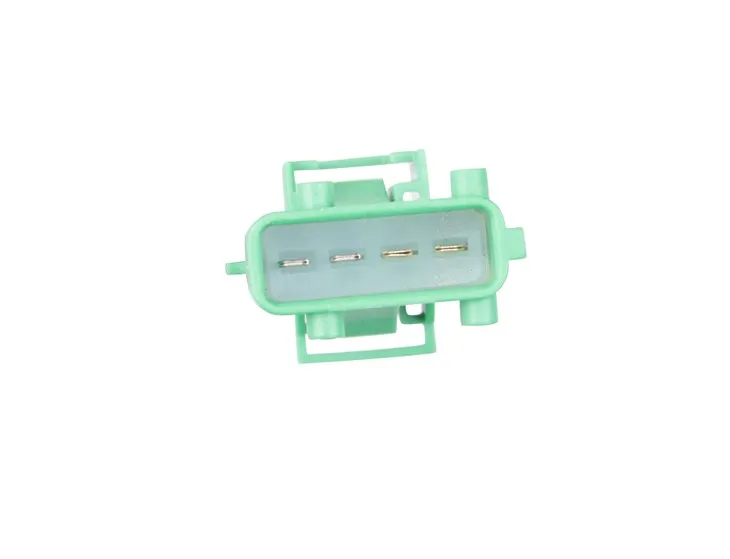
As a Peugeot oxygen sensor supplier, we offer a wide range of high - quality sensors for different Peugeot models. For example, we have the Oxygen Sensor for Peugeot 205/ Citroen /0 258 006 026, which is specifically designed to meet the requirements of the Peugeot 205 and Citroen models. Our Oxygen Sensor for New Peugeot 307/Citroen/9650682180 is also a great option for those driving the latest Peugeot 307 models. And if you own a Peugeot 206 or Citroen C2, our Oxygen Sensor for Peugeot 206,/Citroen C2/9657632980 will ensure optimal engine performance.
How to Choose the Right Oxygen Sensor
When choosing an oxygen sensor for your Peugeot, there are a few factors to consider:
- Compatibility: Make sure the sensor is compatible with your specific Peugeot model and year. Our sensors are carefully designed to fit different Peugeot models precisely, ensuring a perfect match.
- Quality: Look for sensors that are made from high - quality materials and have been rigorously tested. Our sensors are manufactured to meet or exceed OEM standards, which means they offer the same level of performance as the original sensors installed in your Peugeot.
- Price: While price is an important factor, it's not the only one. A cheaper sensor may not offer the same level of quality and durability as a more expensive one. Our sensors offer a great balance between quality and price, providing you with a cost - effective solution for your Peugeot.
Conclusion
In conclusion, the oxygen sensor plays a vital role in a Peugeot's acceleration. A well - functioning oxygen sensor ensures an optimal air - fuel mixture, which leads to efficient combustion and smooth, powerful acceleration. On the other hand, a faulty oxygen sensor can cause poor acceleration, rough idling, decreased fuel efficiency, and other performance issues.
If you're experiencing any of the signs of a failing oxygen sensor in your Peugeot, don't hesitate to contact us. As a reliable Peugeot oxygen sensor supplier, we can provide you with the right sensor for your vehicle and help you restore its performance. Whether you need a sensor for a Peugeot 205, 206, 307, or other models, we have you covered. Contact us today to discuss your requirements and start the procurement process.
References
- "Automotive Engine Performance" by James D. Halderman.
- Peugeot official service manuals.
- Technical articles from automotive industry publications.