

Hey there! As a supplier of the Oxygen Sensor 39210 - 2B040, I often get asked the question: "How often should the Oxygen Sensor 39210 - 2B040 be replaced?" Well, let's dive right into it and break this down.
First off, what exactly does an oxygen sensor do? The oxygen sensor, like our 39210 - 2B040 model, plays a crucial role in your vehicle's engine management system. It measures the amount of oxygen in the exhaust gases and sends that info to the engine control unit (ECU). Based on this data, the ECU adjusts the air - fuel mixture to ensure optimal combustion. A properly functioning oxygen sensor helps improve fuel efficiency, reduces emissions, and keeps your engine running smoothly.
Now, the replacement interval isn't set in stone and can vary depending on several factors.
Vehicle Usage
If you're someone who does a lot of city driving, your oxygen sensor might wear out faster. In the city, you're constantly starting and stopping, which means the engine is going through more cycles of heating up and cooling down. This thermal stress can take a toll on the sensor over time. On the other hand, if you mainly do highway driving, the engine operates under more consistent conditions, and the sensor may last longer.
Quality of Fuel
The quality of the fuel you use also matters. Low - quality fuel often contains more impurities like sulfur. These impurities can coat the oxygen sensor, reducing its sensitivity and accuracy. Over time, this can lead to the sensor failing prematurely. So, if you're using sub - par fuel regularly, you might need to replace the oxygen sensor more frequently.
Age of the Vehicle
As a vehicle gets older, all its components start to degrade, and the oxygen sensor is no exception. Older vehicles may have more wear and tear on their engine systems, which can put additional stress on the sensor. Generally, if your vehicle is more than 10 years old, it's a good idea to keep a closer eye on the oxygen sensor's performance.
Manufacturer's Recommendations
Most vehicle manufacturers provide guidelines on when to replace the oxygen sensor. For many modern cars, the recommended replacement interval is between 60,000 to 90,000 miles (about 96,000 to 145,000 kilometers). However, this is just a general guideline, and as we've seen, real - world conditions can cause the sensor to fail earlier or last longer.
So, how can you tell if your Oxygen Sensor 39210 - 2B040 needs to be replaced? There are a few signs to watch out for.
Check Engine Light
The most obvious sign is when the check engine light comes on. While the check engine light can indicate a variety of issues, a faulty oxygen sensor is a common culprit. If you see the light, it's a good idea to get your vehicle checked by a professional.
Poor Fuel Economy
If you notice that you're filling up your gas tank more often than usual, it could be due to a malfunctioning oxygen sensor. Since the sensor is responsible for adjusting the air - fuel mixture, a bad sensor can cause the engine to run too rich or too lean, leading to decreased fuel efficiency.
Rough Idling or Stalling
A faulty oxygen sensor can also cause the engine to idle roughly or even stall. This is because the incorrect air - fuel mixture can disrupt the normal combustion process in the engine.
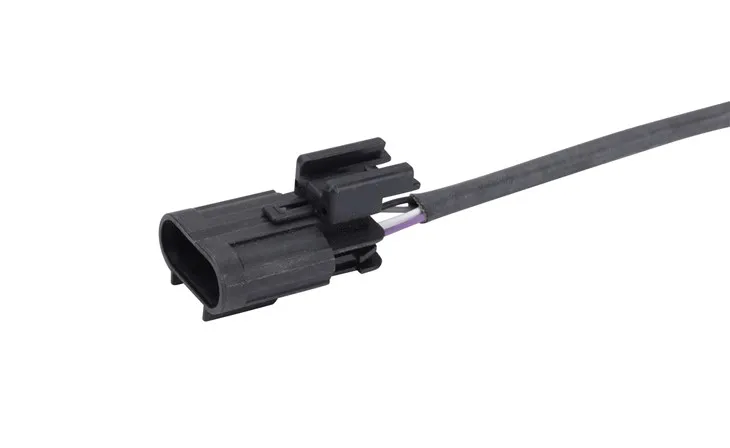

As a supplier, I offer high - quality Oxygen Sensor 39210 - 2B040 that are designed to meet or exceed OEM standards. But we also have other great options in our catalog. For example, check out our [Oxygen Sensor for Hyundai Sonata Yuxiang /39210 - 25300](/oxygen - sensor/korean - cars/oxygen - sensor - for - hyundai - sonata - yuxiang.html) and [Oxygen Sensor for Hyundai Velax (imported) /39210 - 3C600](/oxygen - sensor/korean - cars/oxygen - sensor - for - hyundai - velax - imported.html). These sensors are also top - notch and can keep your vehicle running at its best.
If you own a Kia Sumai (imported), our [Oxygen Sensor for Kia Sumai (imported)/ 39210 - 2B040](/oxygen - sensor/korean - cars/oxygen - sensor - for - kia - sumai - imported - 39210.html) is the perfect fit. It's built to last and will ensure your vehicle's engine operates efficiently.
In conclusion, while there's no one - size - fits - all answer to how often the Oxygen Sensor 39210 - 2B040 should be replaced, keeping an eye on the signs of a failing sensor and following the manufacturer's guidelines is a good start. If you're in the market for a new oxygen sensor or have any questions about our products, don't hesitate to reach out. We're here to help you make the right choice for your vehicle. Whether you're a mechanic looking to stock up on quality sensors or a vehicle owner in need of a replacement, we've got you covered. Contact us today to start the procurement process and get the best oxygen sensors for your needs.
References
- Automotive Service Excellence (ASE) materials on engine management systems
- Various vehicle manufacturer's maintenance manuals