

Hey there, car enthusiasts! I'm a supplier of BAIC oxygen sensors, and I've seen firsthand how important these little devices are for your car's performance. Today, I'm gonna walk you through the process of cleaning a BAIC oxygen sensor. It's not as complicated as it sounds, and it can save you a ton of money in the long run.
Why Clean Your BAIC Oxygen Sensor?
First off, let's talk about why you should even bother cleaning your oxygen sensor. The oxygen sensor in your BAIC plays a crucial role in the engine's fuel management system. It measures the amount of oxygen in the exhaust gases and sends this information to the engine control unit (ECU). The ECU then uses this data to adjust the air-fuel mixture, ensuring optimal combustion and fuel efficiency.
Over time, the oxygen sensor can get dirty and clogged with carbon deposits, oil, and other contaminants. When this happens, it can't accurately measure the oxygen levels in the exhaust, which can lead to a variety of problems. You might notice a decrease in fuel efficiency, rough idling, poor acceleration, or even an illuminated check engine light. Cleaning the oxygen sensor can often fix these issues and restore your car's performance.
What You'll Need
Before you start cleaning your BAIC oxygen sensor, you'll need to gather a few tools and supplies. Here's what you'll need:
- Socket wrench set: You'll need the right size socket to remove the oxygen sensor from the exhaust pipe.
- Protective gloves and eyewear: Cleaning the oxygen sensor involves working with chemicals, so it's important to protect your hands and eyes.
- Oxygen sensor cleaner: You can buy a specialized oxygen sensor cleaner at your local auto parts store. Make sure to choose a cleaner that's specifically designed for oxygen sensors.
- A clean, lint-free cloth: You'll use this to wipe the oxygen sensor clean after cleaning.
- A small wire brush: This will help you remove any stubborn deposits from the sensor.
Step-by-Step Cleaning Process
Now that you have everything you need, let's get started on cleaning your BAIC oxygen sensor. Here's a step-by-step guide:
Step 1: Locate the Oxygen Sensor
The first step is to locate the oxygen sensor in your BAIC. In most BAIC models, the oxygen sensor is located in the exhaust pipe, either before or after the catalytic converter. You may need to consult your car's owner's manual or do a quick online search to find the exact location of the sensor in your specific model.
Step 2: Disconnect the Battery
Before you start working on the oxygen sensor, it's important to disconnect the battery to prevent any electrical shock. Locate the negative terminal on the battery and use a wrench to loosen the nut. Once the nut is loose, carefully remove the negative cable from the battery terminal.
Step 3: Remove the Oxygen Sensor
Using the appropriate socket wrench, carefully loosen and remove the oxygen sensor from the exhaust pipe. Be careful not to damage the sensor or the wiring. If the sensor is stuck, you may need to use a penetrating oil to loosen it up.
Step 4: Clean the Oxygen Sensor
Once you've removed the oxygen sensor, it's time to clean it. Put on your protective gloves and eyewear, and then spray the oxygen sensor cleaner onto the sensor. Make sure to cover the entire surface of the sensor, including the tip and the wires. Let the cleaner sit on the sensor for a few minutes to allow it to penetrate and dissolve the deposits.
After a few minutes, use the small wire brush to gently scrub the sensor. Pay special attention to any areas with stubborn deposits. Be careful not to scrub too hard, as this could damage the sensor.
Step 5: Rinse and Dry the Oxygen Sensor
Once you've finished scrubbing the sensor, rinse it thoroughly with clean water. Make sure to remove all of the cleaner and any remaining deposits. Then, use the clean, lint-free cloth to dry the sensor completely.
Step 6: Reinstall the Oxygen Sensor
Once the oxygen sensor is dry, it's time to reinstall it. Carefully thread the sensor back into the exhaust pipe and tighten it with the socket wrench. Make sure not to overtighten the sensor, as this could damage the threads or the sensor itself.
Step 7: Reconnect the Battery
Finally, reconnect the negative cable to the battery terminal and tighten the nut with the wrench. Start your car and let it run for a few minutes to allow the oxygen sensor to recalibrate. Check to see if the check engine light has gone off and if your car's performance has improved.
Tips and Tricks
- Use the right cleaner: Make sure to use a cleaner that's specifically designed for oxygen sensors. Using the wrong cleaner can damage the sensor and cause it to malfunction.
- Be gentle: When cleaning the oxygen sensor, be gentle and avoid using too much force. The sensor is a delicate component, and excessive scrubbing or bending can damage it.
- Follow the manufacturer's instructions: Read the instructions on the oxygen sensor cleaner carefully and follow them exactly. Different cleaners may have different application methods and recommended cleaning times.
- Inspect the sensor regularly: Even after cleaning the oxygen sensor, it's a good idea to inspect it regularly for signs of damage or wear. If you notice any cracks, chips, or other damage, it's best to replace the sensor.
When to Replace the Oxygen Sensor
While cleaning the oxygen sensor can often fix minor issues, there are times when it may need to be replaced. Here are some signs that it's time to replace your BAIC oxygen sensor:
- The check engine light stays on: If the check engine light on your dashboard stays on even after cleaning the oxygen sensor, it could be a sign that the sensor is faulty and needs to be replaced.
- You've already cleaned the sensor and the problems persist: If you've followed the cleaning process and your car still has performance issues, it's likely that the oxygen sensor is beyond repair and needs to be replaced.
- The sensor is physically damaged: If you notice any cracks, chips, or other physical damage to the oxygen sensor, it's best to replace it immediately.
If you're not sure whether your oxygen sensor needs to be replaced, it's a good idea to have it tested by a professional mechanic. They can use specialized diagnostic equipment to determine the condition of the sensor and recommend the appropriate course of action.
Our BAIC Oxygen Sensors
As a BAIC oxygen sensor supplier, we offer a wide range of high-quality oxygen sensors for BAIC vehicles. Our sensors are designed to meet or exceed the original equipment manufacturer (OEM) specifications, ensuring optimal performance and reliability.
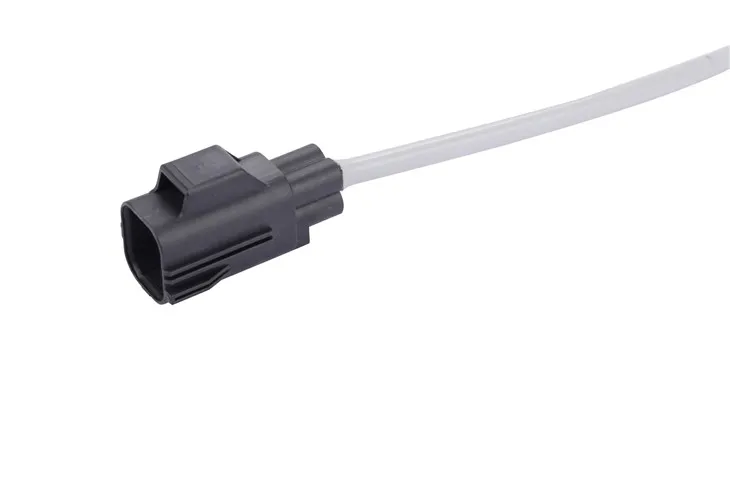
We also offer oxygen sensors for other makes and models, including Oxygen Sensor for Volvo S80 /8627600 and Oxygen Sensor for Volvo XC90 /30774651. If you're in the market for a new oxygen sensor, be sure to check out our selection of Oxygen Sensor for BAIC/ 28425816.

Contact Us for Procurement
If you're interested in purchasing BAIC oxygen sensors or have any questions about our products, we'd love to hear from you. Whether you're a car repair shop, a dealership, or an individual car owner, we can provide you with the high-quality oxygen sensors you need at competitive prices.
Don't hesitate to reach out to us for procurement discussions. We're here to help you find the right oxygen sensors for your needs and ensure your vehicles run smoothly and efficiently.
References
- Chilton's Auto Repair Manual
- Haynes Repair Manuals
- AutoZone DIY Repair Guides