

As a supplier of Toyota oxygen sensors, I've had the privilege of delving deep into the intricacies of these crucial automotive components. One of the most common inquiries I receive is about the differences between pre - catalytic and post - catalytic Toyota oxygen sensors. In this blog, I'll share my insights on this topic to help you understand these sensors better and make informed decisions when it comes to your vehicle's needs.
Understanding the Basics of Oxygen Sensors
Before we dive into the differences, let's first understand what oxygen sensors do. Oxygen sensors, also known as O2 sensors, are vital parts of a vehicle's exhaust system. Their primary function is to measure the amount of oxygen in the exhaust gases. This information is then sent to the engine control unit (ECU), which uses it to adjust the air - fuel mixture for optimal engine performance and reduced emissions.
Pre - Catalytic Oxygen Sensors
Pre - catalytic oxygen sensors, also called upstream oxygen sensors, are located before the catalytic converter in the exhaust system. Their main role is to monitor the oxygen content in the exhaust gases right after they leave the engine cylinders. This real - time data allows the ECU to make immediate adjustments to the air - fuel ratio.
Function and Importance
The pre - catalytic oxygen sensor provides feedback to the ECU to ensure that the engine is running as efficiently as possible. For example, if the sensor detects that there is too much oxygen in the exhaust, it means the air - fuel mixture is too lean. The ECU will then increase the amount of fuel injected into the engine. Conversely, if there is too little oxygen, indicating a rich mixture, the ECU will reduce the fuel supply.
Characteristics
Pre - catalytic sensors are designed to respond quickly to changes in the oxygen content of the exhaust gases. They typically have a faster response time compared to post - catalytic sensors. This rapid response is crucial because the engine's operating conditions can change rapidly, and the ECU needs up - to - the - minute information to adjust the air - fuel mixture accordingly.
Post - Catalytic Oxygen Sensors
Post - catalytic oxygen sensors, or downstream oxygen sensors, are positioned after the catalytic converter. Their function is different from that of pre - catalytic sensors.
Function and Importance
The main purpose of the post - catalytic oxygen sensor is to monitor the effectiveness of the catalytic converter. The catalytic converter is responsible for reducing harmful emissions by converting pollutants such as carbon monoxide, hydrocarbons, and nitrogen oxides into less harmful substances. The post - catalytic sensor measures the oxygen content of the exhaust gases after they have passed through the catalytic converter. If the catalytic converter is working correctly, the oxygen content in the exhaust gases should be relatively stable. A significant difference between the readings of the pre - and post - catalytic sensors can indicate that the catalytic converter is not functioning properly.
Characteristics
Post - catalytic sensors have a slower response time compared to pre - catalytic sensors. This is because they are not required to provide real - time feedback for air - fuel mixture adjustment. Instead, they are used to monitor the long - term performance of the catalytic converter.
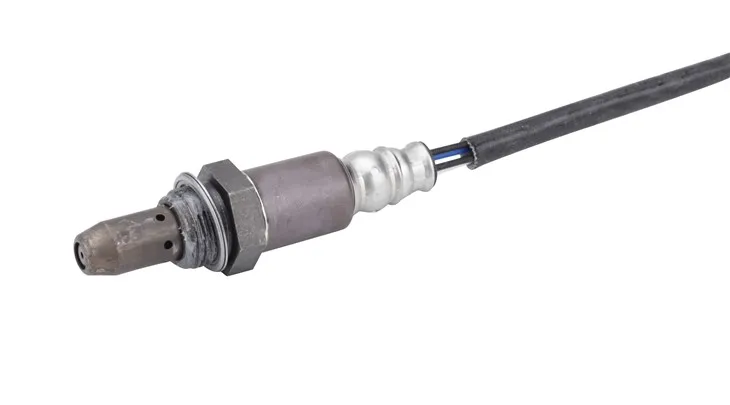

Key Differences between Pre - Catalytic and Post - Catalytic Toyota Oxygen Sensors
Location
The most obvious difference is their location in the exhaust system. Pre - catalytic sensors are placed upstream of the catalytic converter, while post - catalytic sensors are downstream. This difference in location is directly related to their respective functions.
Function
As mentioned earlier, pre - catalytic sensors are mainly used for air - fuel mixture control, while post - catalytic sensors are for monitoring the catalytic converter's performance. The pre - catalytic sensor provides the ECU with the data needed to optimize engine performance on a moment - to - moment basis. The post - catalytic sensor, on the other hand, helps to ensure that the vehicle is meeting emission standards by verifying the catalytic converter's efficiency.
Response Time
Pre - catalytic sensors have a faster response time. They need to detect even the slightest changes in the oxygen content of the exhaust gases so that the ECU can make immediate adjustments to the air - fuel mixture. Post - catalytic sensors, with their slower response time, are more focused on long - term trends in the exhaust gas composition.
Sensor Design
The design of pre - and post - catalytic sensors can also vary. Pre - catalytic sensors often need to be more sensitive to changes in oxygen levels because they are used for real - time engine control. They may have a different internal structure and materials to achieve this high level of sensitivity. Post - catalytic sensors, while still accurate, do not require the same level of sensitivity and may be designed differently to suit their monitoring function.
Impact on Vehicle Performance and Emissions
Engine Performance
The pre - catalytic oxygen sensor has a direct impact on engine performance. A faulty pre - catalytic sensor can lead to poor fuel economy, rough idling, and reduced power. Since it is responsible for adjusting the air - fuel mixture, any incorrect readings can cause the engine to run inefficiently. For example, if the sensor fails and consistently reports a lean mixture when it's actually rich, the engine may receive too much fuel, leading to wasted fuel and increased emissions.
Emissions
Both pre - and post - catalytic sensors play a role in reducing vehicle emissions. The pre - catalytic sensor ensures that the engine is running with an optimal air - fuel mixture, which reduces the production of pollutants at the source. The post - catalytic sensor, by monitoring the catalytic converter's performance, helps to ensure that any remaining pollutants are effectively converted into less harmful substances. If the post - catalytic sensor detects that the catalytic converter is not working properly, it can trigger a warning light on the dashboard, indicating that maintenance is required.
Our Product Range
As a supplier of Toyota oxygen sensors, we offer a wide range of high - quality pre - and post - catalytic sensors. In addition to Toyota sensors, we also have sensors for other Japanese car models. For example, we have the Oxygen Sensor for Nissan GT - R (imported) /22693 - JF00A, the Oxygen Sensor for Lexus ES200 (imported)/ 89465 - 33560, and the Oxygen Sensor for Mitsubishi Parrog / MD369190/ 234000 - 8036. All our sensors are designed to meet or exceed the original equipment manufacturer (OEM) specifications, ensuring reliable performance and compatibility with your vehicle.
Conclusion
In conclusion, pre - and post - catalytic Toyota oxygen sensors serve different but equally important functions in a vehicle's exhaust system. The pre - catalytic sensor is crucial for engine performance optimization, while the post - catalytic sensor is essential for monitoring the catalytic converter's efficiency and ensuring compliance with emission standards. Understanding these differences can help you diagnose potential issues with your vehicle and make the right choice when it comes to replacing oxygen sensors.
If you are in the market for high - quality Toyota oxygen sensors or sensors for other Japanese car models, we are here to help. Our team of experts can provide you with the information and support you need to make an informed purchase. Whether you are a mechanic, a car enthusiast, or a vehicle owner, we invite you to contact us for a detailed discussion about your oxygen sensor requirements. Let's work together to keep your vehicle running smoothly and efficiently.
References
- Bosch Automotive Handbook, 7th Edition
- Haynes Automotive Repair Manuals