

Hey there, fellow car enthusiasts! I'm a supplier of Kia Sumai oxygen sensors, and today I wanna chat about something super important: the effects of a dirty Kia Sumai oxygen sensor on exhaust emissions.
Let's start by understanding what an oxygen sensor does. It's like the little detective in your car's engine system. Its main job is to measure the amount of oxygen in the exhaust gases. Based on this measurement, it sends a signal to the engine control unit (ECU). The ECU then adjusts the air - fuel mixture to make sure the engine runs as efficiently as possible.
Now, when that oxygen sensor gets dirty, things start to go haywire. A dirty oxygen sensor can't do its job properly. It might give inaccurate readings to the ECU. And that means the ECU can't adjust the air - fuel mixture correctly.
One of the most obvious effects is an increase in harmful exhaust emissions. When the air - fuel mixture is off, the engine doesn't burn fuel as cleanly. For instance, if there's too much fuel in the mixture (a rich mixture), not all of the fuel gets burned completely. This leads to an increase in hydrocarbons (HC) and carbon monoxide (CO) emissions. Hydrocarbons are a major contributor to smog, and carbon monoxide is a poisonous gas. Breathing in high levels of CO can be really dangerous for humans.
On the other hand, if there's too little fuel (a lean mixture), the combustion process becomes less efficient. This can cause an increase in nitrogen oxides (NOx) emissions. Nitrogen oxides are also bad for the environment. They play a role in the formation of acid rain and ground - level ozone, which is a major component of smog.
A dirty oxygen sensor can also lead to a decrease in fuel efficiency. Since the engine isn't getting the right air - fuel mixture, it has to work harder to produce the same amount of power. This means you'll have to fill up your gas tank more often. You're basically spending more money on gas just because of a dirty sensor.
Another problem is that it can cause your car to fail an emissions test. Most states have emissions testing requirements to make sure cars on the road are running cleanly. If your car fails the test because of high emissions caused by a dirty oxygen sensor, you'll have to get it fixed before you can get your car registered again.
So, how does an oxygen sensor get dirty in the first place? Well, there are a few reasons. Over time, carbon deposits can build up on the sensor. This can happen if the engine is running rich for an extended period. Oil or coolant leaks can also contaminate the sensor. And if you use low - quality fuel, it can leave behind more impurities that can dirty the sensor.
As a Kia Sumai oxygen sensor supplier, I've seen firsthand how a dirty sensor can cause all these problems. But the good news is that it's usually a fixable issue. Replacing a dirty oxygen sensor is a relatively simple and cost - effective solution.
If you're in the market for a new oxygen sensor, we've got some great options. We offer the Oxygen Sensor for Kia K5 /39210 - 2E150. This sensor is designed specifically for the Kia K5 and will help your car run more efficiently and reduce emissions.
We also have the Oxygen Sensor for Hyundai Velax (imported) /39210 - 3C600. It's a high - quality sensor that can improve the performance of your Hyundai Velax.
And for those with a Hyundai IX45, our Oxygen Sensor for Hyundai IX45 /39210 - 2G700 is a great choice. It will ensure that your engine is getting the right air - fuel mixture and that your emissions are kept in check.

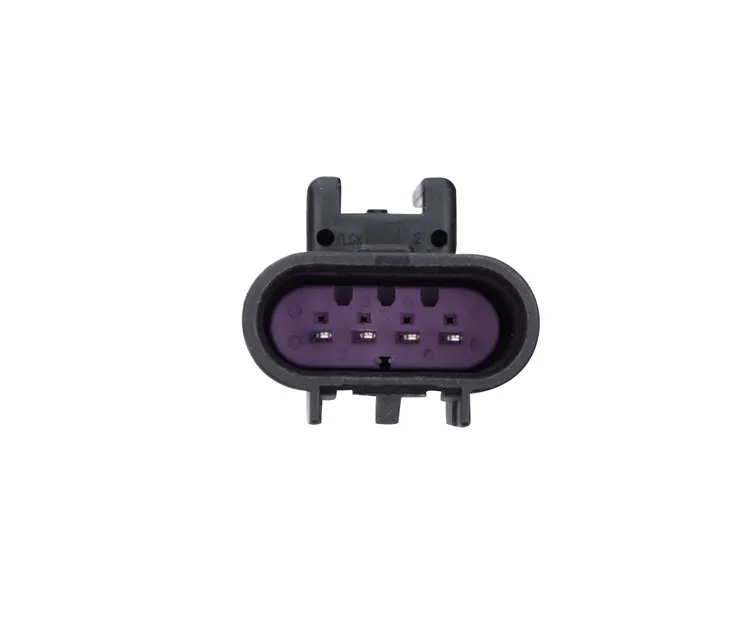
If you're experiencing any of the problems I've mentioned, like high emissions, poor fuel efficiency, or a failed emissions test, it might be time to replace your oxygen sensor. And if you're interested in purchasing one of our sensors, feel free to reach out. We're here to help you get your car running cleanly and efficiently again.
In conclusion, a dirty Kia Sumai oxygen sensor can have a big impact on your car's exhaust emissions. It can lead to an increase in harmful pollutants, a decrease in fuel efficiency, and even cause your car to fail an emissions test. But by replacing the sensor with a high - quality one, you can solve these problems and keep your car running smoothly.
So, don't let a dirty oxygen sensor ruin your driving experience. Take action today and make sure your car is running as cleanly as possible.
References
- "Automotive Engine Performance" by James D. Halderman
- Various automotive repair manuals and industry publications