

Replacing an oxygen sensor in a Haval vehicle is a task that requires careful attention to safety to ensure both the well - being of the person performing the replacement and the proper functioning of the vehicle. As a Haval Oxygen Sensor supplier, I've witnessed firsthand the importance of following safety precautions during this process.
1. Preparation Before Replacement
1.1 Gather the Necessary Tools
Before you start the replacement, make sure you have all the tools required. This typically includes a socket wrench set, an oxygen sensor socket, safety glasses, gloves, and a jack and jack stands if you need to access the sensor underneath the vehicle. Having the right tools on hand will not only make the replacement process smoother but also reduce the risk of injury. For example, using an improper tool may cause the sensor to break or damage the surrounding components, which can be dangerous.
1.2 Park the Vehicle in a Safe Location
Choose a flat, stable, and well - ventilated area to park your Haval. Avoid areas near traffic or where the vehicle could roll. If you are working in a garage, open the garage door to ensure proper ventilation. Exhaust gases contain carbon monoxide, a colorless and odorless gas that can be deadly if inhaled in large quantities. So, a well - ventilated area is crucial to prevent carbon monoxide poisoning.
1.3 Let the Engine Cool Down
The oxygen sensor is located near the exhaust system, which can get extremely hot during engine operation. Before attempting to replace the sensor, allow the engine to cool down completely. This may take up to an hour or more, depending on how long the engine was running. Touching a hot sensor or exhaust component can cause severe burns.
2. Safety During the Replacement Process
2.1 Wear Protective Gear
Put on safety glasses and gloves before starting the replacement. Safety glasses will protect your eyes from any debris or small particles that may be dislodged during the process. Gloves, on the other hand, will protect your hands from cuts, burns, and exposure to harmful chemicals such as oil and grease.
2.2 Disconnect the Battery
Before removing the oxygen sensor, disconnect the negative terminal of the vehicle's battery. This will prevent any electrical shocks or short - circuits during the replacement. An electrical shock can be dangerous, and a short - circuit may damage the vehicle's electrical system.

2.3 Use the Correct Socket
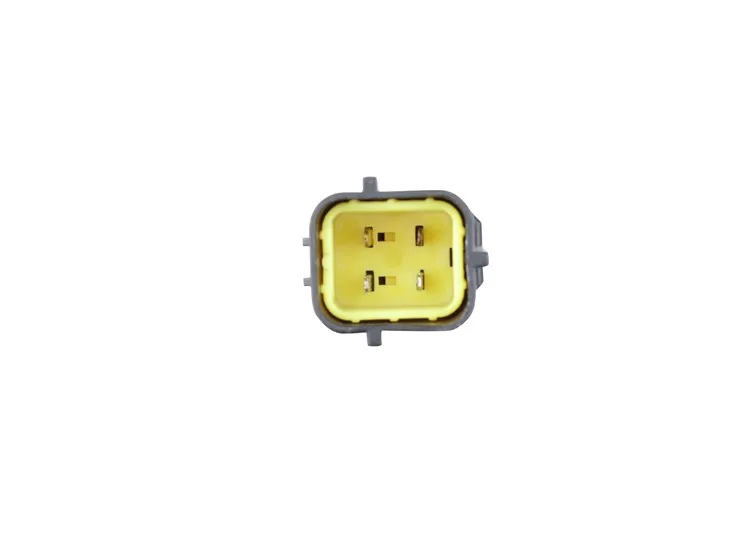
When removing the oxygen sensor, use an oxygen sensor socket. These sockets are designed to fit the sensor properly and have a cut - out to accommodate the sensor's wiring. Using a regular socket may damage the sensor or the wiring, which can lead to improper functioning of the sensor and potential safety hazards.
2.4 Be Careful with the Exhaust System
The exhaust system is under pressure, and there may be hot gases and sharp edges. When accessing the oxygen sensor, be careful not to damage the exhaust pipes or other components. A damaged exhaust system can lead to exhaust leaks, which can release harmful gases into the vehicle's cabin.
2.5 Avoid Over - tightening
When installing the new oxygen sensor, make sure not to over - tighten it. Over - tightening can damage the sensor or the exhaust system threads. Follow the manufacturer's torque specifications for the correct tightening force. A loose sensor may not function properly, while an over - tightened one can be difficult to remove in the future.
3. Post - Replacement Checks
3.1 Reconnect the Battery
After installing the new oxygen sensor, reconnect the negative terminal of the battery. Make sure the connection is secure.
3.2 Check for Leaks
Inspect the area around the oxygen sensor for any signs of leaks. Look for oil, coolant, or exhaust leaks. If you notice any leaks, address them immediately. A leak can lead to a loss of fluids or a release of harmful gases, which can be dangerous.
3.3 Start the Engine
Start the engine and let it run for a few minutes. Listen for any unusual noises or vibrations. Check the vehicle's dashboard for any warning lights. If the check engine light remains on or if you notice any abnormal behavior, there may be an issue with the installation or the new sensor. In this case, it is recommended to consult a professional mechanic.
4. Our High - Quality Oxygen Sensors
As a Haval Oxygen Sensor supplier, we offer a wide range of high - quality oxygen sensors for different Haval models. For example, our Oxygen Sensor for Haval H6/F 01R 00C 072 is specifically designed to meet the requirements of Haval H6 vehicles. These sensors are made from high - quality materials and are rigorously tested to ensure accurate performance and long - term reliability.
In addition to Haval sensors, we also supply oxygen sensors for other brands. If you own a Volvo XC90, our Oxygen Sensor for Volvo XC90 /30774651 is a great choice. And for BAIC vehicles, our Oxygen Sensor for BAIC/ 28425816 provides excellent performance.
5. Contact Us for Procurement
If you are interested in purchasing our oxygen sensors, we welcome you to contact us for procurement discussions. Our team of experts is ready to provide you with detailed product information, pricing, and any other support you may need. Whether you are a repair shop, a distributor, or an individual looking for a replacement sensor, we can meet your needs.
References
- "Automotive Maintenance and Light Repair" by Daniel J. Schneider
- Manufacturer's manuals for Haval vehicles
- Online resources on automotive safety and oxygen sensor replacement