

Hey there! As a supplier of Toyota Oxygen Sensors, I've seen my fair share of issues with these crucial components. One of the most common problems we come across is a defective heater element in the oxygen sensor. In this blog, I'm gonna walk you through the signs that your Toyota oxygen sensor's heater element might be on the fritz.
First off, let's understand what the heater element in an oxygen sensor does. The heater element is responsible for quickly bringing the oxygen sensor up to its operating temperature. Oxygen sensors need to be at a certain temperature to accurately measure the oxygen content in the exhaust gases. This data is then used by the engine control unit (ECU) to adjust the air - fuel mixture for optimal engine performance and emissions control.
1. Check Engine Light (CEL) Illuminates
One of the most obvious signs is when the check engine light comes on. Modern Toyota vehicles are equipped with an onboard diagnostic system (OBD - II) that monitors the performance of various components, including the oxygen sensor. When the heater element in the oxygen sensor malfunctions, the ECU detects an abnormal signal and triggers the check engine light. It's like your car's way of saying, "Hey, something's not right here!" You can use an OBD - II scanner to read the trouble codes. Codes related to the oxygen sensor heater circuit, such as P0135 (for the front oxygen sensor) or P0141 (for the rear oxygen sensor), often indicate a problem with the heater element.
2. Poor Fuel Economy
A defective heater element can lead to poor fuel economy. Since the oxygen sensor can't reach its operating temperature quickly, it provides inaccurate readings to the ECU. The ECU then can't adjust the air - fuel mixture properly. This might result in a richer or leaner mixture than necessary. A rich mixture means more fuel is being burned than required, which directly impacts your gas mileage. You'll find yourself making more frequent trips to the gas station, and your wallet will definitely notice the difference. For example, if you used to get 30 miles per gallon on the highway and suddenly it drops to 25, it could be due to a faulty oxygen sensor heater element.
3. Rough Idling and Engine Misfires
Another sign is rough idling and engine misfires. When the air - fuel mixture is off because of the inaccurate oxygen sensor readings, the engine may not run smoothly at idle. You might feel the car vibrating more than usual, and the engine could even stall. Engine misfires can also occur, which means that the fuel in one or more cylinders isn't burning properly. This not only affects the driving experience but can also cause long - term damage to the engine if left untreated.

4. Increased Emissions
The oxygen sensor plays a vital role in reducing emissions. A defective heater element can cause the vehicle to emit higher levels of pollutants such as carbon monoxide (CO), hydrocarbons (HC), and nitrogen oxides (NOx). This not only harms the environment but can also cause your vehicle to fail an emissions test. If you live in an area with strict emissions regulations, this could be a real headache. You'll have to get the problem fixed before you can get your vehicle re - tested and back on the road legally.
5. Sluggish Acceleration
If you notice that your Toyota is taking longer to accelerate or doesn't have the same pep it used to, a faulty oxygen sensor heater element could be the culprit. The incorrect air - fuel mixture can lead to a loss of power, especially when you're trying to speed up. Whether you're merging onto a highway or just trying to pass another car, you'll feel the difference in the vehicle's performance.
How to Address the Issue
If you suspect that your Toyota's oxygen sensor heater element is defective, it's important to take action. You can start by checking the wiring and connections to the oxygen sensor. Sometimes, a loose connection or a damaged wire can cause problems that mimic a faulty heater element. However, if the wiring is fine, it's likely that the oxygen sensor itself needs to be replaced.
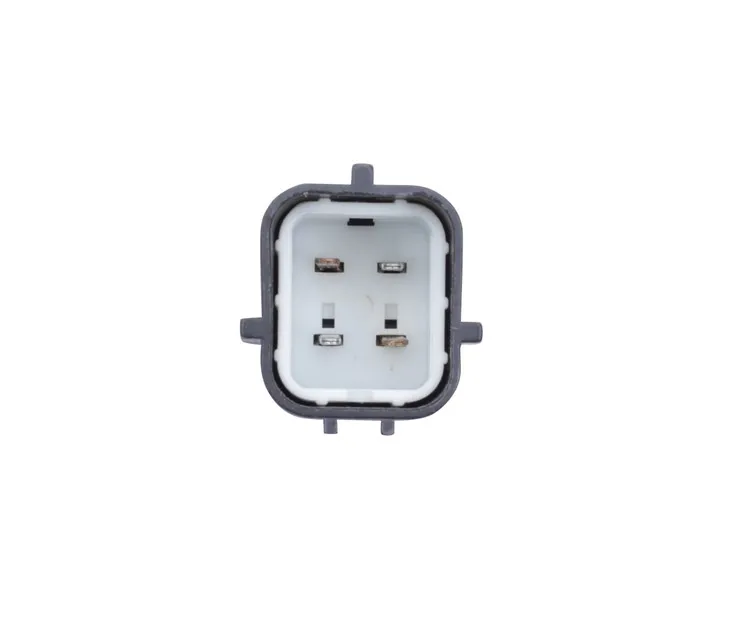
As a Toyota oxygen sensor supplier, we offer a wide range of high - quality sensors. For example, we have the Oxygen Sensor for Toyota Camry/ 89465 - 06310 which is designed to fit perfectly in your Camry and provide accurate readings. We also have options for other Japanese vehicles, like the Oxygen Sensor for Nissan/ 22693 - EY00B and the Oxygen Sensor for Nissan GT - R (imported) /22693 - JF00A.
Replacing the oxygen sensor is a relatively straightforward process for those with some automotive repair experience. You'll need to locate the sensor, usually near the exhaust manifold or under the vehicle along the exhaust pipe. Disconnect the electrical connector and remove the sensor using an appropriate socket wrench. Then, install the new sensor and reconnect the electrical connector.
Why Choose Our Oxygen Sensors
Our oxygen sensors are built to meet or exceed OEM specifications. We use high - quality materials and advanced manufacturing techniques to ensure reliability and accuracy. They are rigorously tested to withstand the harsh conditions of the exhaust system, including high temperatures and corrosive gases. By choosing our sensors, you can be confident that you're getting a product that will restore your vehicle's performance and emissions control.
Let's Connect for Your Oxygen Sensor Needs
If you're experiencing any of the signs mentioned above and think your Toyota's oxygen sensor heater element is defective, or if you're just looking to stock up on oxygen sensors for your repair shop, we're here to help. We're ready to discuss your requirements and offer the best solutions. Whether you need a single sensor for your personal vehicle or a bulk order for your business, we can accommodate. So, don't hesitate to reach out and start a conversation about your oxygen sensor needs.
References
- Haynes Repair Manual for Toyota Vehicles
- Bosch Oxygen Sensor Technical Documentation
- Automotive News Articles on Oxygen Sensor Technology