

As a trusted supplier of Nissan oxygen sensors, I've witnessed firsthand the pivotal role these components play in a vehicle's performance. A Nissan oxygen sensor with a loose connection can spell trouble for both the engine and the emissions system. In this blog, I'll delve into the signs that indicate a loose connection in a Nissan oxygen sensor, helping you diagnose and address the issue promptly.
Check Engine Light Illumination
One of the most common and noticeable signs of a loose oxygen sensor connection in a Nissan vehicle is the illumination of the check engine light on the dashboard. Modern Nissan cars are equipped with an onboard diagnostic (OBD) system that monitors the performance of various components, including the oxygen sensor. When the OBD system detects an irregularity in the sensor's signal, such as a fluctuating or inconsistent reading due to a loose connection, it triggers the check engine light.
The check engine light can indicate a wide range of issues, so it's essential to use an OBD scanner to retrieve the specific trouble code associated with the problem. In the case of a loose oxygen sensor connection, the code might suggest a problem with the sensor's circuit or a fault in the signal it's sending to the engine control unit (ECU). If you notice the check engine light is on, it's advisable to visit a professional mechanic or use a reliable OBD scanner to determine the root cause.
Poor Fuel Economy
A loose oxygen sensor connection can significantly impact your Nissan's fuel efficiency. The oxygen sensor's primary function is to measure the amount of oxygen in the exhaust gases and send this information to the ECU. Based on this data, the ECU adjusts the air-fuel mixture to ensure optimal combustion. When the connection is loose, the sensor may send inaccurate readings to the ECU, causing it to miscalculate the air-fuel ratio.
If the ECU thinks there's more oxygen in the exhaust than there actually is, it may increase the amount of fuel injected into the engine, leading to a rich air-fuel mixture. Conversely, if it believes there's less oxygen, it might reduce the fuel supply, resulting in a lean mixture. Both scenarios can lead to inefficient combustion, which means your engine has to work harder to produce the same amount of power, ultimately consuming more fuel. If you notice a sudden drop in your Nissan's fuel economy, a loose oxygen sensor connection could be the culprit.
Rough Idling and Engine Misfires
Another telltale sign of a loose oxygen sensor connection is rough idling or engine misfires. When the sensor provides inaccurate data to the ECU, the engine may not receive the correct amount of fuel and air for smooth operation at idle. This can cause the engine to run unevenly, resulting in a noticeable vibration or shaking when the vehicle is stationary.
Engine misfires occur when the air-fuel mixture in one or more cylinders fails to ignite properly. A loose oxygen sensor connection can disrupt the delicate balance of the air-fuel ratio, leading to incomplete combustion and misfires. You may experience a loss of power, a hesitation when accelerating, or a general lack of responsiveness from your Nissan. These issues not only affect the driving experience but can also cause long-term damage to the engine if left unaddressed.
Increased Emissions
The oxygen sensor plays a crucial role in reducing harmful emissions from your Nissan's exhaust system. By ensuring the proper air-fuel mixture, it helps the engine burn fuel more efficiently, minimizing the production of pollutants such as carbon monoxide (CO), hydrocarbons (HC), and nitrogen oxides (NOx). When the connection is loose, the sensor's ability to accurately measure the oxygen content in the exhaust is compromised, leading to an improper air-fuel ratio and increased emissions.
If your Nissan fails an emissions test, a loose oxygen sensor connection could be the reason. Excessive emissions not only harm the environment but can also result in fines or restrictions in some areas. Regularly monitoring your vehicle's emissions and addressing any issues promptly can help you stay compliant with environmental regulations and keep your Nissan running cleanly.
Strange Exhaust Odors
A loose oxygen sensor connection can also cause unusual odors to emanate from your Nissan's exhaust. As mentioned earlier, an incorrect air-fuel ratio due to inaccurate sensor readings can lead to incomplete combustion. This can result in the production of unburned fuel, which can create a strong, pungent smell similar to that of raw gasoline.
In some cases, a lean air-fuel mixture caused by a loose connection can also produce a smell of sulfur or rotten eggs. This odor is typically associated with the presence of hydrogen sulfide (H2S) in the exhaust, which can form when the engine is running too lean. If you notice any strange odors coming from your exhaust, it's a sign that something is amiss with your oxygen sensor or the air-fuel mixture.
Finding the Right Replacement Oxygen Sensor
If you suspect a loose connection is causing problems with your Nissan's oxygen sensor, it's important to address the issue as soon as possible. In some cases, simply tightening the connection may solve the problem. However, if the sensor is damaged or has been sending inaccurate readings for an extended period, it may need to be replaced.
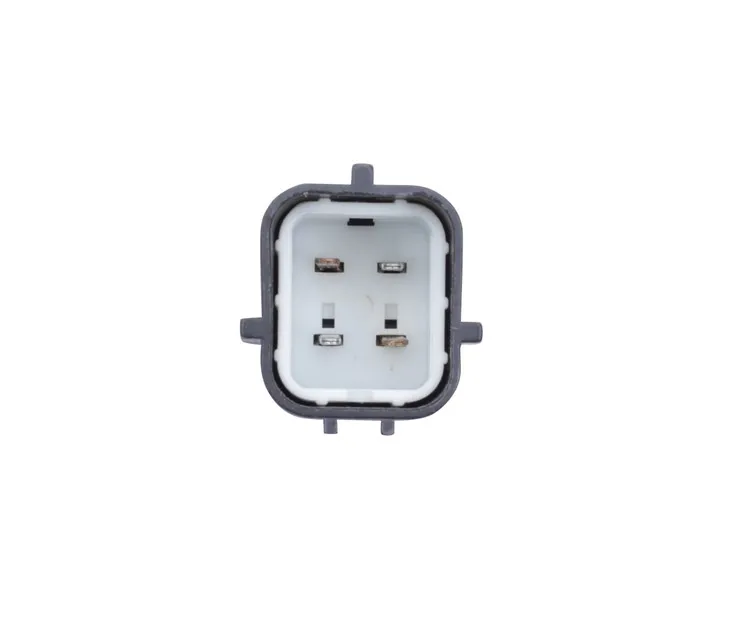

As a Nissan oxygen sensor supplier, I offer a wide range of high-quality sensors to fit various Nissan models. For example, the Oxygen Sensor for Nissan/ 22693-EY00B is a reliable option that meets or exceeds the original equipment manufacturer (OEM) specifications. This sensor is designed to provide accurate readings and ensure optimal engine performance.
In addition to Nissan sensors, we also supply oxygen sensors for other Japanese car brands. The Oxygen Sensor for Mitsubishi Parrog / MD369190/ 234000-8036 and the Oxygen Sensor for Lexus ES200 (imported)/ 89465-33560 are just a few examples of our extensive product range. Our sensors are carefully tested to ensure they meet the highest standards of quality and reliability.
Contact Us for Your Oxygen Sensor Needs
If you're experiencing any of the signs mentioned above or need a replacement oxygen sensor for your Nissan or other Japanese car, don't hesitate to contact us. Our team of experts is ready to assist you in finding the right sensor for your vehicle and answering any questions you may have. Whether you're a professional mechanic or a DIY enthusiast, we're committed to providing you with the best products and service.
References
- "Automotive Engine Control Systems" by Richard A. Kent
- "The Haynes Manual: Nissan Repair Manual"
- "Understanding Automotive Electronics" by William Ribbens