
Oxygen sensors are core components of modern automobile engine management systems. With the development of electronic technology, many different types of oxygen sensors are currently used in automobiles. This sensor can accurately measure the oxygen content in exhaust gas, providing valuable information for the engine management system, thereby helping to adjust and optimize the combustion process.
What is the specific role of oxygen sensors in automobile systems?
Overview of functions
In automobile systems, oxygen sensors play an indispensable role, especially in controlling emissions and improving fuel efficiency. An oxygen sensor is a device that can detect the oxygen and water content in the engine intake air. It is not only a necessary device under the premise of strict compliance with environmental regulations, but also a powerful way to improve automobile fuel efficiency.
Emission control
The oxygen sensor has the ability to detect the oxygen concentration in automobile exhaust in real time and can feed this data back to the engine management system. In actual application, the oxygen sensor will continue to age and fail as the vehicle mileage increases. With this feedback mechanism, the system can accurately adjust the ratio of air to fuel to ensure that the fuel and air are optimally mixed, thereby reducing the emission of harmful gases such as nitrogen oxides (NOx) and hydrocarbons (HC).
Fuel efficiency
The oxygen sensor helps the engine management system to better optimize the combustion process by providing accurate oxygen concentration data. Under normal circumstances, the engine will automatically adjust parameters such as ignition advance angle and compression ratio according to the detected temperature. When the oxygen concentration exceeds the standard or is low, the system can quickly adjust the amount of fuel injection to ensure that the fuel is used to the maximum extent. One method introduced in this article is to use an on-board oxygen sensor to measure the oxygen content consumed during vehicle driving and automatically adjust it according to its value without changing the existing vehicle structure and control method. This not only improves the efficiency of fuel use, but also reduces unnecessary fuel loss.

How does the oxygen sensor work and how does it detect oxygen concentration?
Working principle
The operating mechanism of the oxygen sensor is based on the chemical or electrochemical reaction that occurs inside it. Its main function is to detect the oxygen content in the exhaust gas to determine whether the engine needs maintenance and replacement of parts. The device usually consists of a reference electrode and a measuring electrode, both of which are exposed to the exhaust environment. When gas molecules transfer from the reference electrode to the measuring electrode, a corresponding electrical signal is generated. When the oxygen concentration in the exhaust gas changes, the potential difference or current between the reference electrode and the measuring electrode will also change.
Detecting oxygen concentration
The oxygen sensor determines the oxygen concentration by monitoring the change of the potential difference or current. When the car is driving on the highway, there is a lot of dust and oil on the road, which causes the engine to vibrate to a certain extent, causing the on-board oxygen sensor to drift and increase the error, affecting normal operation. As the oxygen concentration in the exhaust gas increases, the current and potential difference will also increase; if the oxygen volume fraction in the exhaust gas decreases, the potential difference or current value will decrease accordingly. Relatively speaking, when the oxygen concentration decreases, the potential difference and current will also decrease. According to this principle, semiconductor photocatalysts are used to convert oxygen in the exhaust gas into hydrogen and collect it in the battery, thereby realizing the monitoring of the oxygen concentration in the exhaust gas. Using this technology, the oxygen sensor can accurately measure the oxygen concentration in the exhaust gas.
Where is the oxygen sensor usually installed in the car?
Installation location
Oxygen sensors are often placed in the exhaust system of the car, especially those near the engine exhaust port. The oxygen sensor must be sealed and reliable when connected to the exhaust pipe, otherwise it will cause damage to the oxygen sensor and affect the detection accuracy. This specific position ensures that the oxygen sensor can directly contact the exhaust gas, thereby accurately measuring the oxygen concentration.
Installation reason
The reason for choosing this position to install the oxygen sensor is that it can quickly detect changes in the concentration of oxygen in the exhaust gas and feed back these data to the engine management system in real time. This means that the system can automatically determine whether the vehicle has exhaust emissions or malfunctions during driving. In addition, this position is also convenient for the maintenance and replacement of oxygen sensors.
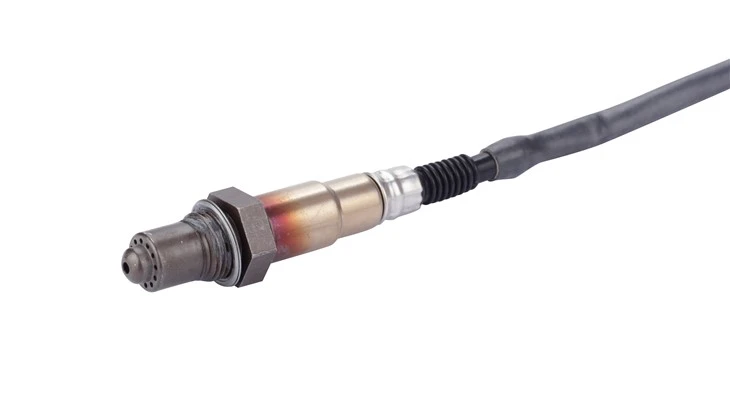
What are the common types or classifications of oxygen sensors?
Type Overview
There are many types of oxygen sensors, of which zirconium oxide and gallium nitride are the most common. Zirconium oxide oxygen sensors are mainly composed of ceramic carriers and sensitive membranes, while gallium nitride oxygen sensors are based on silicon nitride. Although these two types of oxygen sensors differ in material, structure and operation, they both have the ability to measure the oxygen concentration in exhaust gas.
Classification basis
Based on its working mechanism, oxygen sensors can be classified into electrochemical type and thermal conductivity type; based on the materials used, we can classify them into zirconium oxide type and gallium nitride type, etc.; based on its structure, we can classify them into single-chip and double-chip types, etc. This article mainly introduces several commonly used oxygen sensors and their characteristics. Various oxygen sensors have their specific strengths and weaknesses. For example, electrochemical oxygen sensors are favored for their fast response and high measurement accuracy, but their manufacturing cost is relatively high; conductivity oxygen sensors are limited in some applications due to their low sensitivity and slow response. The advantage of thermal conductivity oxygen sensors lies in their low cost and simple structure, but their reaction speed is relatively slow.
What specific effects will oxygen sensor failure have on vehicle performance?
Performance impact
Once the oxygen sensor fails, it will bring a series of adverse effects to the overall performance of the vehicle. Oxygen sensors have many disadvantages during use. First, because the oxygen content in the exhaust gas cannot be accurately measured, the engine management system cannot accurately adjust the ratio of air to fuel, which leads to incomplete combustion of the fuel and reduced engine power. At the same time, the oxygen sensor is also one of the most vulnerable parts of the automotive electrical system. Once a fault occurs, the vehicle will stall or start due to lack of power during driving. In addition, since the fuel is not completely burned, this will lead to the emission of more harmful gases, such as NOx and HC, which will have a negative impact on the environment.
Troubleshooting
In order to identify and solve the fault problem of the oxygen sensor in a timely manner, the owner or maintenance staff can implement a series of basic fault diagnosis and repair measures. 1. To detect the fault of the oxygen sensor, you must first determine which part of the circuit the fault occurs in. For example, check whether the connection line of the oxygen sensor is loose or damaged; use a special diagnostic tool to read the fault code; observe the color and smell of the exhaust gas. In addition, it is necessary to determine whether the oxygen sensor is working properly based on the sound generated when the engine is running. Using these technical means, we can preliminarily evaluate whether there is any fault in the oxygen sensor and quickly implement the corresponding repair plan.
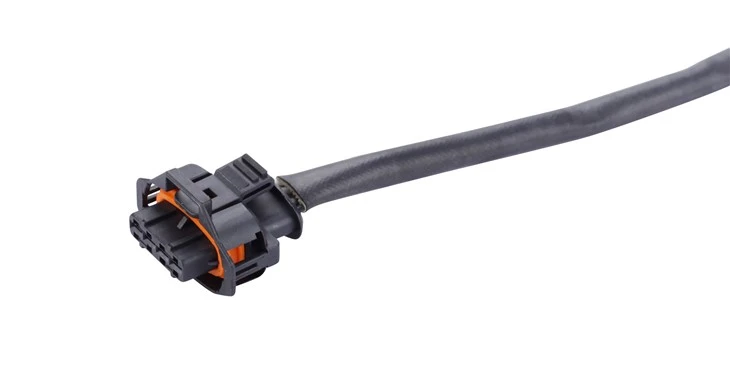
The oxygen sensor plays a vital role in the management system of modern automobile engines, and its core position is obvious. The oxygen sensor is an important component for detecting the oxygen and carbon content in automobile exhaust. It monitors the oxygen in the exhaust when the vehicle is running to ensure that the vehicle can run safely and stably. The oxygen sensor provides extremely valuable data basis for the engine management system by accurately measuring the oxygen concentration in the exhaust, which helps to optimize the combustion process, reduce the emission of harmful gases, and improve fuel economy. Since the oxygen sensor is prone to malfunction during use, the monitoring system may fail or malfunction. Therefore, car owners and maintenance personnel should attach great importance to the daily maintenance and care of the oxygen sensor to ensure that it can operate normally and give full play to its potential functions. At present, the automotive oxygen sensors on the domestic market are mainly made of platinum-rhodium alloy. At the same time, with the continuous development of science and technology and the gradual strengthening of environmental protection regulations, oxygen sensors will also continue to update their technology to meet higher performance and environmental protection standards.