
In modern automobile engine management systems, oxygen sensors are considered core components. Its main goal is to monitor the oxygen content in the engine exhaust gas and transmit these monitoring data to the engine control unit (ECU). The ECU adjusts the fuel injection ratio according to the oxygen sensor signal to ensure that the engine operates at the optimal air/fuel ratio, thereby improving fuel efficiency and reducing displacement. However, when the oxygen sensor is actually used, carbon deposits will form on the surface, which will not only weaken its function, but may also bring challenges to the working performance of the entire engine. Therefore, it is extremely critical to properly solve the problems caused by carbon accumulation on the surface of the exhaust oxygen sensor.
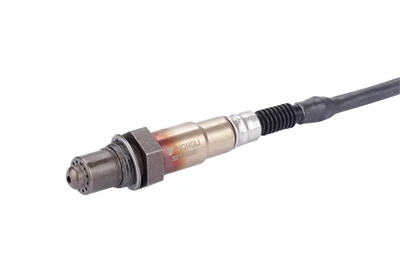
Causes of carbon accumulation on the surface of the oxygen sensor
The generation of carbon on the surface of the oxygen sensor is a complex process involving many factors. First of all, it must be clear that fuel quality is one of the key elements that determine the formation of carbon accumulation. Poor-quality fuels often contain a large amount of impurities and incompletely burned hydrocarbons, which are easy to accumulate carbon and adhere to the surface of the exhaust oxygen sensor during combustion. Furthermore, the operating condition of the engine is closely related to the accumulation of carbon. For example, if the engine is continuously operated at low speed and low load or is frequently accelerated and decelerated rapidly, this may result in incomplete combustion of the fuel, thereby increasing the risk of carbon accumulation. In addition, the driving environment of the vehicle also has some influence on the generation of carbon accumulation. For example, when driving in places with high dust concentration and poor air quality, the surface of the oxygen sensor is more prone to accumulate dust and pollutants, which may produce carbon deposits.
The specific impact of carbon deposition on the performance of oxygen sensors
The carbon deposition process plays a significant role in the performance of oxygen sensors. The first point is that carbon deposition will interfere with the sensitive components of the oxygen sensor, causing the sensor signal to deviate. This situation will cause the ECU to be unable to accurately detect the oxygen level in the exhaust gas emitted by the engine, thereby affecting the accuracy of the fuel injection amount, which will directly have an adverse effect on the fuel efficiency and emission characteristics of the engine. In addition, carbon deposition may also interfere with the response speed of the oxygen sensor, making it unable to capture changes in the engine state in real time, further leading to a decline in the performance of the entire engine. Long-term carbon accumulation may pose a hidden danger to the service life of the oxygen sensor, thereby reducing its expected service life.
Common methods for cleaning carbon on the surface of oxygen sensors
For the problem of carbon accumulation on the surface of oxygen sensors, we have a variety of different cleaning methods for you to choose. Using a specific cleaning agent for cleaning is a very common and efficient technique. This cleaning method usually requires separating the oxygen sensor from the engine, then soaking or spraying it on the surface of the sensor with a special cleaning agent, and then cleaning it thoroughly with a brush or cloth when the carbon deposit becomes soft. When cleaning, you should be careful to avoid using rough or chemical dissolving substances to prevent damage to the surface of the sensor. In addition, using a mechanized method to remove carbon accumulation is also a feasible solution, but this approach requires considerable technical expertise and practical experience to avoid the risk of potential damage to the sensor. In recent years, ultrasonic cleaning technology has also been widely promoted and used in the field of oxygen sensor cleaning applications. This technique is based on the cavitation effect produced by ultrasound in a liquid state, so that the deposited carbon on the surface of the sensor can be separated and dissolved in the washing liquid, thereby achieving a cleaning effect.
Safety precautions when cleaning oxygen sensors
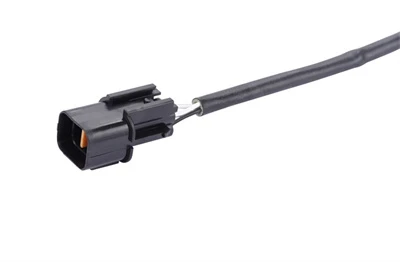
When it comes to cleaning oxygen sensors, ensuring safety factors is particularly important. The first thing to consider is to prevent electric shock accidents during cleaning. Considering that exhaust oxygen sensor are often connected to the engine's control module, it is necessary to first disconnect the power supply during its disassembly and cleaning process, and then use insulating tools to perform the corresponding actions. Secondly, in order to prevent chemical cleaning agents from accidentally splashing on the skin or eyes, people usually need to be equipped with some appropriate protective devices, such as gloves or goggles. In addition, when cleaning, you must be vigilant to avoid using excessive cleaning fluid or high temperature environment to prevent potential damage to the sensor
Prevent the re-formation of carbon on the surface of the oxygen sensor
In addition to cleaning the carbon accumulation on the surface of the oxygen sensor, it is also particularly important to prevent the re-formation of carbon deposits. First of all, it should be clear that optimizing driving habits can be an effective way to reduce carbon accumulation. For example, try to avoid operating the engine at low speed or low load for a long time, and reduce the frequency of rapid acceleration and deceleration operations. In addition, adopting high-quality fuel is also a key method to avoid carbon precipitation and accumulation. Higher quality fuel contains fewer impurities and unburned hydrocarbons, which helps reduce carbon deposits. In addition, periodic engine inspection and maintenance are also key measures to avoid carbon deposition. For example, periodically replace parts such as air filters and oil filters to ensure that the engine remains clean; regularly review the operation of components such as the engine's cooling system and fuel system to ensure that the engine continues to work stably.
In general, carbon treatment of the surface area of the oxygen sensor is a key link in maintaining the normal operation of the engine system. By gaining a deeper understanding of the causes of carbon deposition, its effects, and cleaning and preventive measures, car owners and maintenance personnel have the opportunity to more accurately maintain the various performance indicators of the oxygen sensor, thereby extending its service life. Doing so helps improve the engine's performance in terms of fuel efficiency and emissions, and makes a substantial contribution to environmental protection. Therefore, we strongly recommend that car owners and automotive maintenance specialists strengthen the cleaning and maintenance of oxygen sensors to ensure that the engine system can work properly.