
The oxygen sensor is a key component in the automobile engine system. It is used to monitor the oxygen concentration in the exhaust system in real time and transmit the detection results to the engine management system to adjust the fuel injection amount, thereby maintaining the balance of the air-fuel ratio and ensuring that the combustion efficiency and emissions meet the standards. However, the ar oxygen sensor will gradually age with the increase of usage time and the influence of harsh environment, affecting its performance and data accuracy. Understanding the impact of oxygen sensor aging is of great significance to maintaining the fuel efficiency of the car, reducing harmful emissions and ensuring engine performance.
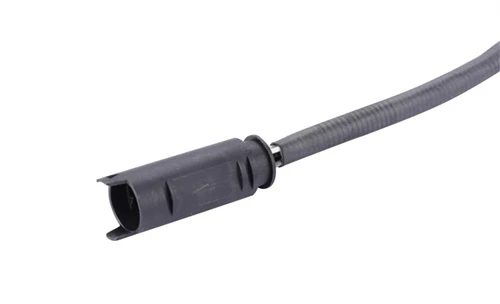
How the performance of the oxygen sensor changes due to aging
Normal working state
Under normal circumstances, the oxygen sensor can quickly respond to changes in oxygen concentration in the exhaust gas, provide data to the engine management system with high sensitivity and accuracy, adjust the fuel injection amount, thereby keeping the air-fuel ratio within the optimal range and achieving efficient combustion.
Performance changes
With the increase of usage time, the sensitivity of the oxygen sensor gradually decreases, the response time becomes longer, and it cannot accurately detect the oxygen concentration. Aging oxygen sensors usually have unstable signals, resulting in data deviations. These performance changes will affect the accuracy of the engine management system in regulating the fuel injection amount, and thus affect the combustion efficiency of the engine.
Decreased signal accuracy
The aging of the oxygen sensor will significantly reduce the accuracy of the signal, resulting in a larger deviation in the transmitted data, making it impossible for the engine management system to accurately judge the exhaust situation. This will directly affect the mixture ratio of fuel and air, and may cause the air-fuel ratio to deviate from the normal range.
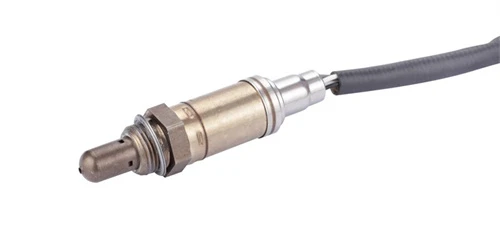
The impact of oxygen sensor aging on automobile fuel efficiency
Fuel injection quantity adjustment
The oxygen sensor helps the engine management system to accurately adjust the fuel injection quantity by providing oxygen concentration data. Under ideal conditions, it ensures that the air-fuel ratio remains balanced during the combustion process, thereby achieving efficient combustion.
Impact on fuel efficiency
Aged oxygen sensors will affect the accuracy of fuel injection due to data distortion, resulting in unstable air-fuel ratio and incomplete fuel combustion, which in turn reduces fuel efficiency. This will not only increase the owner's fuel cost, but may also cause engine carbon deposition problems, accelerate the wear of internal components, and affect the life and performance of the engine.
Will vehicle emissions be affected by the aging of oxygen sensors
The role of oxygen sensors in emission control
Oxygen sensors play a key role in emission control. By monitoring the oxygen content in the exhaust, they help the engine management system control the emission of harmful gases to ensure that the vehicle meets environmental emission standards.
Impact on emission monitoring
Aging Oxygen Sensor O2s can cause failure in monitoring the oxygen concentration in the exhaust, making it difficult for the engine management system to accurately control the air-fuel ratio, which in turn increases the amount of incompletely burned fuel, resulting in excessive emissions. This not only increases pollution to the environment, but may also prevent the vehicle from passing emission tests.
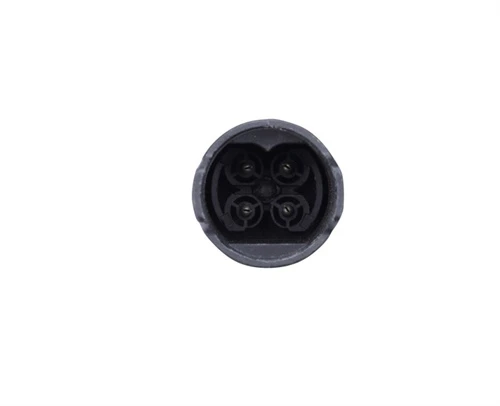
Engine failures caused by aging oxygen sensors
Common types of failures
Aging oxygen sensors may cause engine jitter, power loss, and unstable idle speed. These problems are mostly caused by the inability to accurately control the amount of fuel injection and poor combustion efficiency.
Causes and mechanisms of failures
Signal misalignment due to aging can cause disturbances in the fuel injection system, making it difficult to accurately control the air-fuel ratio. Over time, the stability and reliability of the engine will be impaired, and in severe cases, it may even cause more mechanical failures.
Impact on engine performance
After the oxygen sensor fails, the engine's power output will decrease, the combustion process will be incomplete, which may cause the vehicle to accelerate weakly and fuel consumption to increase significantly. In addition, Oxygen Sensor O2s failure may trigger the fault indicator light on the dashboard, affecting the driving experience and safety.
How to detect and judge whether the oxygen sensor has aged
Common detection methods
The methods for detecting oxygen sensor aging include using diagnostic tools to read fault codes, observing the stability of the oxygen sensor data waveform, and performing exhaust emission analysis. In addition, by observing whether the exhaust is black, fuel consumption increases and other external manifestations, it can also be judged that the oxygen sensor may have aged.
Criteria for judging oxygen sensor aging
If the output signal of the oxygen sensor fluctuates and is unstable, delayed, etc., it usually means that it has aged. Generally speaking, the oxygen sensor may begin to age after driving about 80,000 kilometers, and its status should be checked regularly to ensure the normal performance of the vehicle.
Safety matters and operating steps during detection
When testing the Oxygen Sensor O2s, make sure the engine is turned off, avoid contact with the high-temperature exhaust system, and use the correct tools to ensure safe operation. In addition, it should be carried out in a well-ventilated environment to avoid inhaling harmful gases in the exhaust.
The aging of oxygen sensors has a significant impact on the fuel efficiency, emission control and engine performance of the vehicle. Regular inspection and maintenance of oxygen sensors can effectively maintain the fuel economy of the vehicle, keep emissions up to standard, and extend the life of the engine. Vehicle owners can take preventive measures, such as using high-quality fuel and maintaining regular maintenance, to reduce the rate of oxygen sensor aging and extend its service life.