
The oxygen sensor is an important part of the modern automobile engine system. It is mainly responsible for monitoring the oxygen content in the exhaust gas and feeding back the data to the engine control unit (ECU). It helps adjust the fuel injection and ignition timing to achieve optimal combustion efficiency, reduce emissions and improve fuel economy. As the use time increases, the oxygen sensor will gradually age or be damaged, affecting engine performance and emissions. To ensure its normal operation, it is necessary to check the working status of the oxygen sensor regularly.
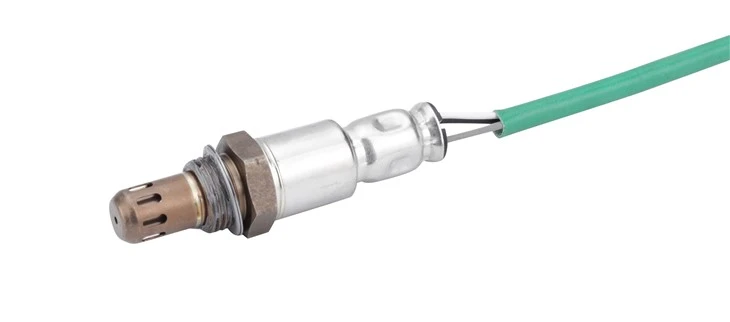
What professional tools can be used to check the working status of the oxygen sensor?
Digital multimeter
The digital multimeter is regarded as the core equipment for measuring the voltage output of the oxygen sensor. This article introduces a method of measuring the oxygen sensor signal with a multimeter, and analyzes the reasons for the errors in this measurement method and the measures to eliminate these errors. By connecting the positive and negative poles of the multimeter to the signal line and ground line of the oxygen sensor respectively, we can read the voltage reading output by the oxygen sensor. Since the oxygen sensor itself does not have temperature characteristics, it is necessary to measure its operating temperature to determine whether the oxygen sensor is working properly. Under normal conditions, the voltage of the oxygen sensor may fluctuate within a specific range, which provides an important basis for evaluating the normal operation of the sensor
OBD-II scanning tool
The OBD-II scanning tool reads fault codes and real-time data by connecting to the OBD-II port of the car. This method can be used for fault diagnosis when the engine or other components are working at different temperatures. With this tool, users can obtain the fault code of the oxygen sensor (such as P0133, P0135, etc.) and analyze the data stream of the sensor. When a problem is found in the oxygen sensor, the fault location and type can be determined based on the signal, so as to perform corresponding maintenance. This is an efficient means of diagnosing and troubleshooting the performance of the oxygen sensor
Other auxiliary tools
In the process of in-depth detection, instruments such as voltmeters and oscilloscopes also play a certain auxiliary role. After calibrating and measuring the instruments, these tools can be used more accurately, so as to achieve better fault diagnosis. In particular, the oscilloscope can display the voltage change curve of the Fuel Oxygen Sensor, which helps us observe the operating status of the sensor and determine the possible types of faults.
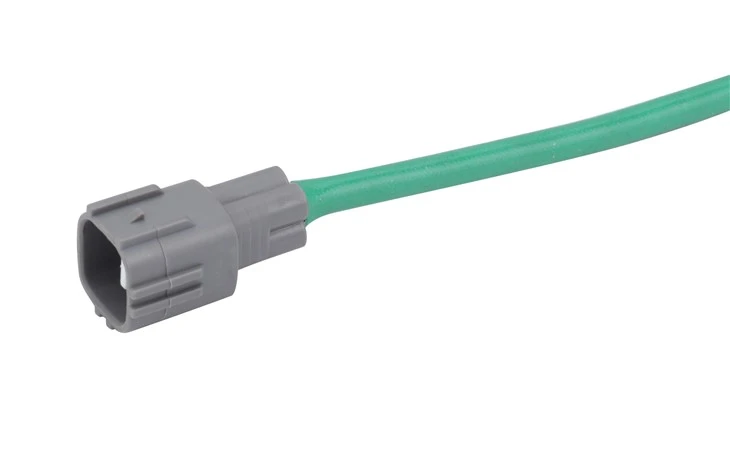
What is the normal voltage output range of the oxygen sensor?
The oxygen sensor generates a voltage signal by detecting the oxygen content in the exhaust gas. Since the oxygen concentration changes over time during the operation of the engine, the oxygen sensor needs to collect and display its current value in real time. Generally speaking, the voltage output of the oxygen sensor usually falls within the range of 0.1V to 0.9V, and it outputs a low voltage when the mixture is lean, and a high voltage when it is rich. Therefore, if there is not enough current flowing through the Engine Oxygen Sensor, the oxygen sensor will not show any abnormality. Normally, the voltage of the oxygen sensor fluctuates rapidly within the range of 0.1V to 0.9V at idle and medium load. Therefore, the oxygen sensor can be used as an engine status indicator. A stable fluctuation in voltage means that the sensor is in normal working condition, but if the voltage does not fluctuate or exceeds the normal range, it may mean that the sensor is faulty.
How to judge the working status of the oxygen sensor by observing the voltage fluctuation?
When the oxygen sensor is operating normally, its voltage fluctuation should show a "sawtooth" fluctuation pattern, that is, it should fluctuate back and forth within the range of 0.1V to 0.9V. If the waveform in this case is wavy, it indicates that the oxygen sensor is faulty. If the voltage fluctuates too slowly, too quickly, or not at all, this may mean the following problems:
- Abnormally slow fluctuation: The sensor may be aging and the response time is longer.
- Fluctuation frequency is too fast: The sensor may be contaminated, resulting in unstable signals.
- Voltage value is too high or too low: Indicates sensor damage or line problems.
For example, in actual detection, if the sensor voltage is found to remain near 0.1V for a long time, it may be that the sensor fails and fails to accurately detect the oxygen content in the exhaust gas.
When checking the oxygen sensor, what common failure modes or fault codes should be paid attention to?
Common failure modes
- Heating circuit failure: Some Engine Oxygen Sensor have built-in heating elements to ensure that the sensor can respond quickly even in low temperature environments. If the heating circuit fails, the sensor will react slowly.
- Signal short circuit or open circuit: A short circuit or open circuit in the signal line will cause abnormal sensor output and affect engine control.
Common fault codes
- P0133: The sensor responds slowly, which is usually a sign of sensor aging.
- P0135: Heating circuit failure, the sensor heater cannot work properly.
- P0171/P0172: The mixture is too lean or too rich, which may be caused by an oxygen sensor failure or other system failure.
Understanding these fault codes can help quickly locate the problem and avoid unnecessary repair costs.
What safety precautions should be followed when checking the oxygen sensor?
- Disconnect the power supply: Before testing and repairing the oxygen sensor, be sure to disconnect the vehicle power supply to avoid the risk of electric shock.
- Wear protective equipment: For safety, wear insulating gloves and goggles to prevent burns or chemical damage.
- Prevent burns: The oxygen sensor is often located near the exhaust pipe and has a high temperature. Be sure to wait for the exhaust system to cool before checking.
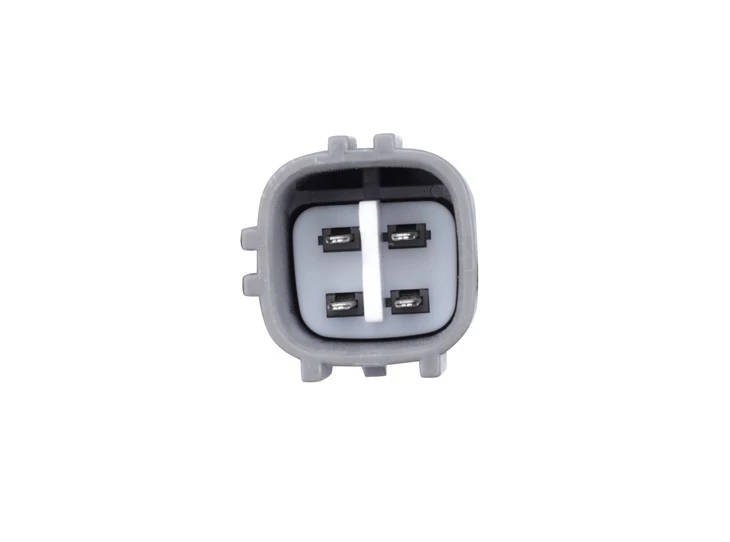
Regularly checking the operating status of the O2 Oxygen Sensor can help ensure stable operation of the engine system and reduce unnecessary emissions. Oxygen sensors are usually installed on exhaust pipes. If the oxygen sensor is damaged or fails, it will lead to incomplete combustion, thus affecting the power, economy and emission performance of the car. With the help of a digital multimeter and OBD-II scanning tool, we can quickly evaluate the working condition of the oxygen sensor. In the case of no indication or alarm prompt, we should first confirm whether the oxygen sensor is damaged, and then replace or replace it according to specific needs. When checking, we need to pay special attention to the normal range of voltage output and the fluctuation pattern of voltage, and also pay attention to common fault codes. Before conducting a comprehensive inspection and maintenance, it must be confirmed that the oxygen sensor is damaged or has other problems, otherwise it will bring safety hazards to the car. The most critical point is that we must strictly follow the safety regulations to ensure that the inspection process can be carried out without obstacles. Oxygen sensors are mainly used in automobiles to measure the evaporation rate of fuel and provide a reliable basis for engine control. Car owners and maintenance personnel can improve the efficiency of the engine and extend the service life of the vehicle by regularly inspecting and maintaining the oxygen sensor.