
The oxygen sensor is a key component of the engine management system of modern vehicles. It is responsible for monitoring the oxygen content in the exhaust gas and feeding back this information to the engine control unit (ECU), playing a vital role. Since the oxygen sensor works in a high temperature and high pressure environment, its internal reliability and durability must be extremely high to ensure that it is not damaged or fails during normal operation. This feedback strategy enables the ECU to accurately adjust the amount of fuel injection to ensure that the engine operates under the most ideal air-fuel ratio conditions, thereby optimizing fuel efficiency and reducing harmful emissions. At present, there are many types of oxygen sensors widely used in the market. However, when the Fuel Oxygen Sensor is damaged, its accurate monitoring and feedback capabilities will be greatly reduced, which may have a profound impact on the overall performance and environmental protection performance of the vehicle.
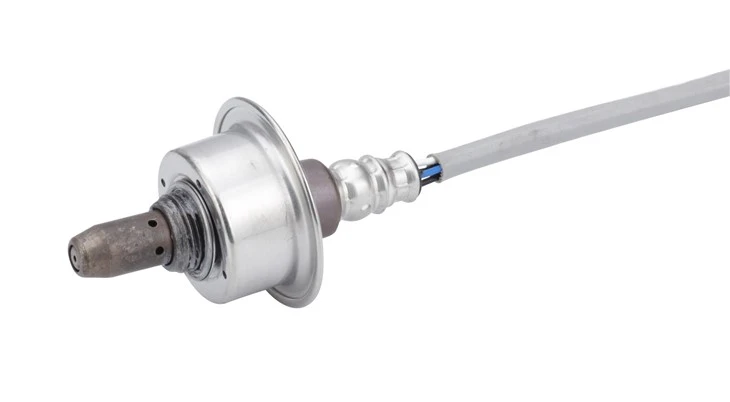
How will the fuel economy of the vehicle be affected when the oxygen sensor is damaged?
The oxygen sensor can accurately measure the oxygen concentration in the exhaust gas, thereby providing the ECU with the core data required to adjust the fuel injection amount. Since the engine is affected by many factors during operation, the oxygen sensor will have different degrees of failure. When the oxygen sensor fails, the ECU cannot accurately obtain the oxygen content data, resulting in an imbalance in the fuel mixture ratio. If the driver does not take appropriate measures to adjust the mixture ratio at this time, the engine power and torque will be significantly reduced, causing serious combustion instability. Such an imbalance is often caused by excessive or insufficient fuel injection, which leads to a significant decline in fuel efficiency. Once the oxygen sensor is damaged, it will affect the vehicle performance and user experience, and even cause traffic accidents. In actual vehicle use cases, some car owners observed that their fuel consumption increased by about 20% to 30% after the oxygen sensor was damaged, which obviously increased their daily driving expenses.
Will the failure of the oxygen sensor cause the vehicle to exceed the emission standard?
In the field of emission control, Fuel Oxygen Sensor play an indispensable and key role. The oxygen sensor is one of the most important electronic components in the car. Its main function is to monitor the oxygen content in the engine combustion process and calculate parameters such as fuel consumption and exhaust emissions based on the measured data. By adjusting the fuel mixture ratio, it ensures that the engine is in the most ideal working state, thereby reducing the emission of harmful substances. Once the oxygen sensor fails, it will directly cause the engine to work abnormally, and eventually cause a series of problems such as deterioration of combustion, accelerated wear and increased exhaust emissions. However, when the oxygen sensor is damaged, the engine's emission performance will suffer a major blow. It is reported that more than half of the cars in the world use different types of oxygen sensors. Due to the unbalanced fuel mixture ratio, the engine may release excessive toxic gases, such as carbon monoxide, nitrogen oxides and hydrocarbons, which may cause vehicle emissions to exceed the prescribed standards. If these pollutants are not removed in time, it will cause the car to spontaneously combust. Doing so will not only harm the environment, but may also cause the vehicle to fail the emission test, which may face the risk of fines or repair costs.
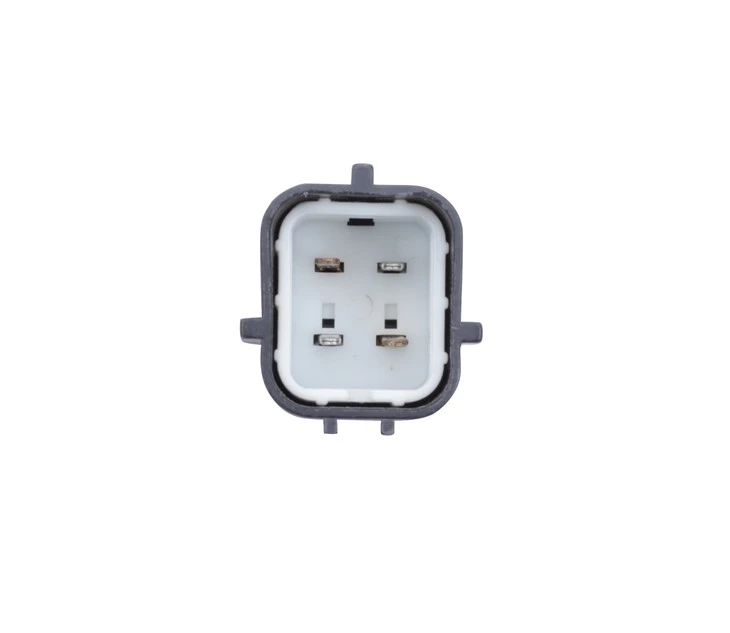
What are the obvious changes in the engine performance of the vehicle after the oxygen sensor is damaged?
When the oxygen sensor is damaged, the engine's working performance may suffer a significant blow. When the fault occurs, it should be checked and repaired in time to ensure the normal operation of the engine. Some common performance symptoms cover aspects such as weak acceleration, engine instability, idle fluctuations and reduced power. In addition, abnormal combustion or other signs of failure can be observed. Such symptoms are often caused by an unbalanced fuel mixture ratio. There is a large deviation when the fuel is distributed between the injection pump and the nozzle. If the fuel is injected excessively, the engine may release a lot of smoke and be accompanied by significant vibration; when the fuel supply is sufficient, the engine can work smoothly. However, in the case of insufficient fuel injection, the engine may lose sufficient power, resulting in a slow acceleration process. In addition, once the Fuel Oxygen Sensor fails, it will seriously affect the driving safety and reliability of the vehicle. In addition, damage to the oxygen sensor may cause problems such as engine overheating or knocking, which will further deteriorate the performance of the engine.
How to identify whether the oxygen sensor is damaged through the vehicle's dashboard or fault indicator light?
The dashboard of contemporary cars is usually equipped with fault warning lights (such as the engine fault indicator light), which is to point out possible problems in the vehicle system. If there is a problem with the oxygen sensor, it may cause the car to fail to start or stall. When the oxygen sensor fails, the engine fault light usually lights up to remind the owner to be careful. In many cases, this fault light will be lit to prompt the driver to check and replace new parts in time. In addition, some vehicles are also equipped with cutting-edge fault diagnosis systems that can read fault codes through the OBD-II interface. When the engine stalls or the idle speed is unstable, the corresponding fault code will appear on the dashboard for the user to judge. These fault codes can provide detailed information about the damage of the oxygen sensor, so as to help the owner or maintenance personnel quickly find the root cause of the problem. During the driving of the car, if the Fuel Oxygen Sensoris obviously damaged, it will lead to a series of adverse consequences such as increased fuel consumption, increased exhaust temperature and knock. In order to determine whether the oxygen sensor is damaged, the owner can check whether the indicator light on the dashboard is on and use the diagnostic tool to read the fault code for verification.

Will the damage of the oxygen sensor cause problems such as difficulty in starting the vehicle or stalling during driving?
Although the damage of the oxygen sensor does not usually make it difficult to start the vehicle, in some extreme cases, it may interfere with the engine's ignition and fuel injection system, causing the vehicle to stall during driving or fail to maintain a stable operating state after starting. For example, this phenomenon occurs when the vehicle suddenly stops accelerating or decelerating. This situation is often caused by a serious imbalance in the fuel mixture ratio. In addition, the oxygen sensor can also be used to detect whether the air content is sufficient before the fuel is injected into the combustion chamber. If the engine does not get enough oxygen to maintain combustion, it may stall or run erratically. In addition, a damaged oxygen sensor can cause knocking, which can make the car unable to accelerate or even dangerous. Therefore, when the owner notices that the oxygen sensor is damaged, he should repair it quickly to avoid possible safety risks.
Taking all factors into consideration, damage to the oxygen sensor may have a profound impact on the fuel efficiency, emissions performance and engine performance of the car. In some cases, damage to the oxygen sensor may even cause failure. To reduce the inconvenience and damage that these problems may cause, the owner should regularly inspect and maintain the oxygen sensor. In addition, if the car has experienced an oxygen sensor failure or other abnormal conditions, the owner should promptly perform maintenance and repairs to ensure the normal operation of the vehicle. To prevent damage to the Fuel Oxygen Sensor, some suggestions include using high-quality fuel, ensuring that the engine is always clean, and regularly replacing those parts that have aged. In addition, it is also necessary to consider how to improve the detection accuracy of the oxygen sensor and reduce the maintenance cost of the oxygen sensor. By implementing these strategies, car owners have the opportunity to extend the service life of the oxygen sensor while also ensuring that the vehicle is in the best condition in terms of performance and environmental protection. If you are a person who often needs to drive a car for activities, then you should learn how to perform daily maintenance work correctly to reduce traffic accidents caused by oxygen sensor damage. When driving, car owners should always pay attention to the indicator lights and fault code prompts on the dashboard, so that potential problems can be quickly identified and dealt with.